Table Of Contents
DIY Chimney Sweeping
DIY chimney sweeping may seem like a cost-effective approach for homeowners wanting to save on maintenance expenses. However, the process requires proper knowledge and technique to ensure safety and effectiveness. Without the right understanding, one could potentially overlook critical issues that a professional would typically identify. Therefore, it’s essential to assess whether you have the skills and tools necessary for a thorough chimney cleaning.
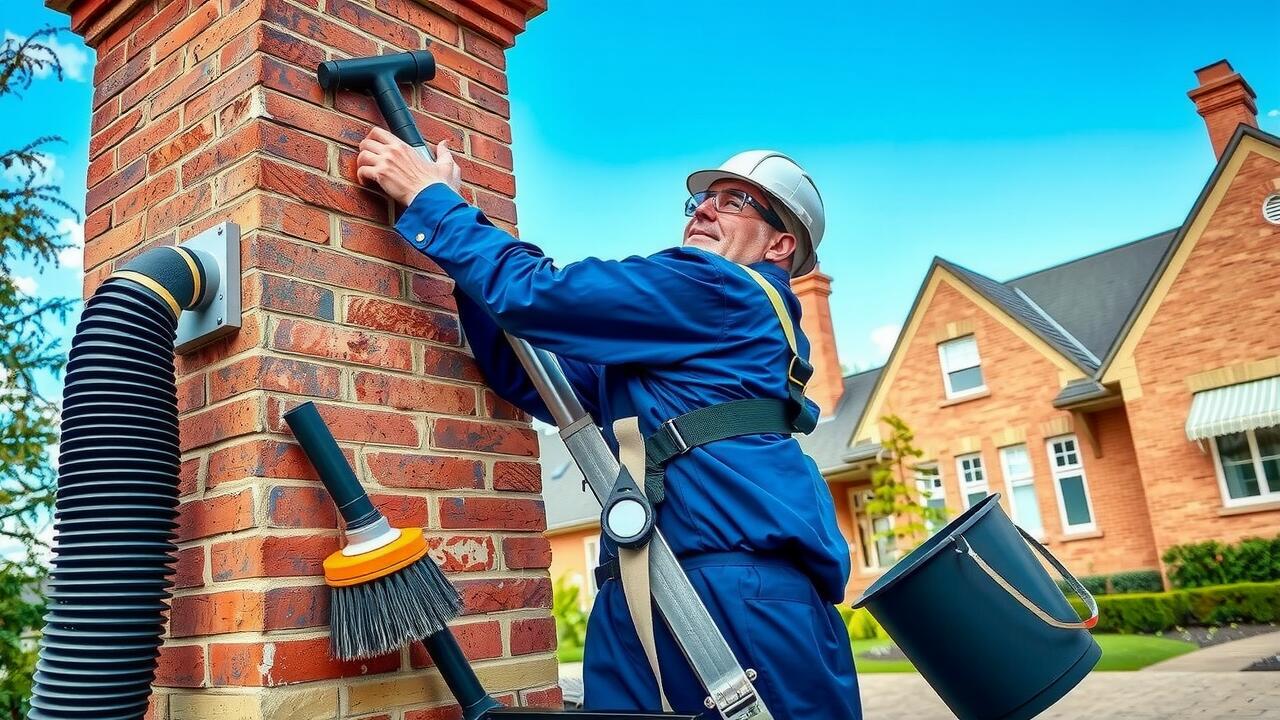
Certain tools and equipment are specifically required for DIY chimney sweeping. A chimney brush, appropriate for the flue size, is crucial for removing residue build-up. Protective gear, such as gloves and masks, is also necessary to prevent inhalation of harmful soot and debris. Additionally, a vacuum designed for fine particles can help manage the mess created during the cleaning process. Investing in these tools may initially seem pricey, but they contribute to a more effective chimney cleaning when doing it yourself.
Tools and Equipment Needed
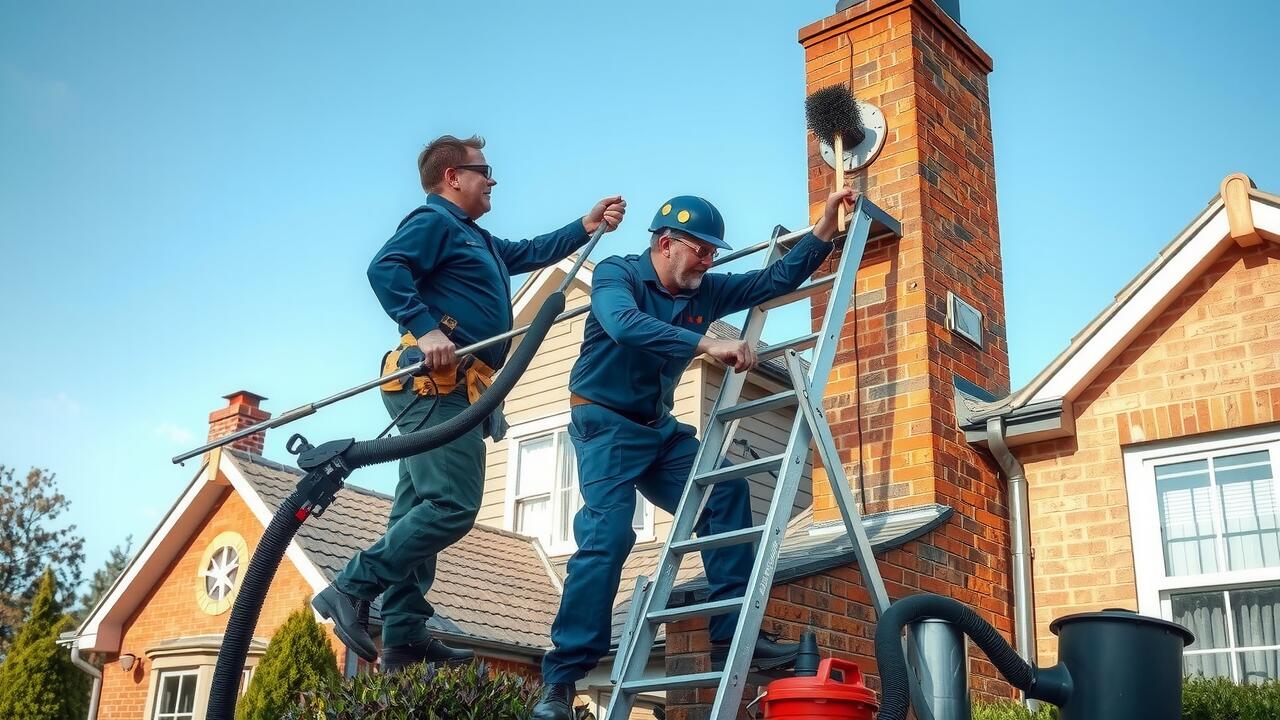
To effectively complete chimney cleaning, having the right tools and equipment is essential. A chimney brush with sturdy bristles can help remove soot and creosote buildup. Choose a brush that fits the size and shape of your chimney flue. A vacuum specifically designed for chimney use can capture debris and keep your workspace clean. Additional tools include safety goggles, gloves, and a dust mask to protect against inhaling dust particles.
Along with brushes and vacuums, utilizing extension rods can extend your reach into taller chimneys. A ladder allows you to access the rooftop safely. Tarps or drop cloths are also useful for protecting your flooring from falling debris during the cleaning process. Proper preparation with these tools ensures that chimney cleaning is efficient and safe, reducing risks and mess around your home.
When to Schedule a Chimney Sweep
Scheduling a chimney sweep typically aligns with seasonal changes, particularly before and during the heating season. As temperatures drop, many homeowners begin to utilize their fireplaces more frequently. Before relighting that first fire, ensuring the chimney is clean can prevent dangerous creosote build-up and minimize the risk of chimney fires. This preparation is crucial for both safety and efficiency.
In addition to seasonal considerations, specific indicators may suggest it’s time for chimney cleaning. A noticeable odor from the fireplace or visible soot around the flue can signal that a sweep is necessary. Regular inspections will help identify these warning signs, allowing homeowners to take proactive measures. Attention to these details can keep chimney systems performing optimally and safely throughout the winter months.
Seasonal Considerations
Seasonal considerations play a significant role in determining when to schedule chimney cleaning. Many homeowners opt for a sweep in the fall before the heating season begins. This timing ensures that the chimney is clear of debris and creosote buildup, reducing the risk of fire hazards during frequent use. Scheduling a cleaning in the spring can also be beneficial, as it helps prepare the chimney for potential heavy rain and ensures that any soot or blockages from the winter months are removed.
In addition to specific seasons, local climate can impact how often chimney cleaning is necessary. Areas with heavy rainfall or snow accumulation might require more frequent sweeps to prevent water damage and maintain airflow. Homeowners should also consider their heating habits; those who use their fireplace regularly might need to schedule more frequent cleanings, regardless of the season. Keeping an eye on these factors can promote safety and efficiency in the home.
Signs That Your Chimney Needs Sweeping
One of the most obvious signs that your chimney needs sweeping is the presence of soot stains around the exterior or interior. Black residue around the fireplace or flue can indicate a buildup of creosote, which is a highly flammable substance. Regular chimney cleaning helps to prevent the risk of chimney fires and ensures the safe operation of your fireplace or wood stove.
Another warning indicator is reduced efficiency when burning wood or fuel. If you notice that your fires do not burn as brightly or that smoke is backing up into your home, it may be due to blockages in the flue. Having a professional conduct chimney cleaning can improve airflow and enhance the overall performance of your heating system.
Warning Indicators
It is crucial to pay attention to the warning indicators that suggest your chimney needs sweeping. One key sign is the presence of a strong, acrid odor in your home, particularly when the fireplace is in use. This smell often indicates creosote buildup, which can be a serious fire hazard. If you notice a significant decrease in airflow when using your fireplace, it may also suggest an obstruction that requires chimney cleaning.
Another indicator to watch for is the appearance of black soot or stains on the walls near the chimney. This can signal that smoke is escaping into your home rather than going up the flue. If you experience frequent chimney fires or see sparks coming from the top of the chimney, these are urgent signs that you should prioritize chimney cleaning. Being vigilant about these warning signs can help maintain the safety and efficiency of your fireplace system.
FAQS
What is the average cost of having a chimney swept?
The average cost of a chimney sweep typically ranges from $100 to $300, depending on the location, the type of chimney, and the service provider.
Are there factors that can affect the cost of chimney sweeping?
Yes, factors such as the height of the chimney, the level of creosote buildup, accessibility, and whether additional services like inspections or repairs are needed can all influence the final cost.
How often should I have my chimney swept?
It is generally recommended to have your chimney swept at least once a year, especially if you use your fireplace regularly. However, if you notice signs of buildup or smoke issues, it may be necessary to schedule a sweep more frequently.
Can I save money by sweeping my chimney myself?
While DIY chimney sweeping can save you money on labor costs, it requires the right tools, equipment, and knowledge to do safely and effectively. It is often recommended to hire a professional to ensure thorough cleaning and inspection.
Are there additional costs associated with chimney sweeping?
Yes, in addition to the sweeping cost, you might incur additional charges for inspections, repairs, or if any special equipment is required to access your chimney. Always ask for a detailed quote before scheduling the service.