Table Of Contents
The Consequences of Neglecting Air Filter Changes
Neglecting regular air filter replacement can lead to a number of significant consequences for both health and home environment. Dirty or clogged filters cannot effectively trap allergens, dust, and pollutants, which can circulate through the air in your home. This can worsen indoor air quality, potentially triggering respiratory issues, allergies, and other complications for vulnerable individuals. Moreover, contaminants can accumulate, creating an unhealthy living environment that puts occupants at risk.
In addition to health implications, skipping air filter replacement can diminish the efficiency of your HVAC system. When filters become blocked, the system must work harder to maintain desired temperatures, leading to increased energy consumption. This added strain can result in higher utility bills and may ultimately shorten the lifespan of the equipment. Regular maintenance, including timely air filter replacement, is essential for ensuring optimal performance and long-term reliability of your heating and cooling systems.
Health Risks and System Efficiency
The quality of indoor air significantly affects health and well-being. A clogged or dirty air filter can lead to a buildup of dust, allergens, and pollutants. Exposure to these airborne contaminants may result in respiratory issues, allergies, and other health complications. Regular air filter replacement is essential to minimize these risks and maintain a healthier living environment.
System efficiency also hinges on the condition of air filters. When filters become dirty, the heating and cooling systems must work harder to circulate air, which can lead to increased energy consumption and higher utility bills. Regular air filter replacement not only enhances the system’s performance but also extends its lifespan. Keeping filters clean helps ensure optimal airflow and reduces unnecessary strain on the equipment.
Steps to Change Your Air Filter
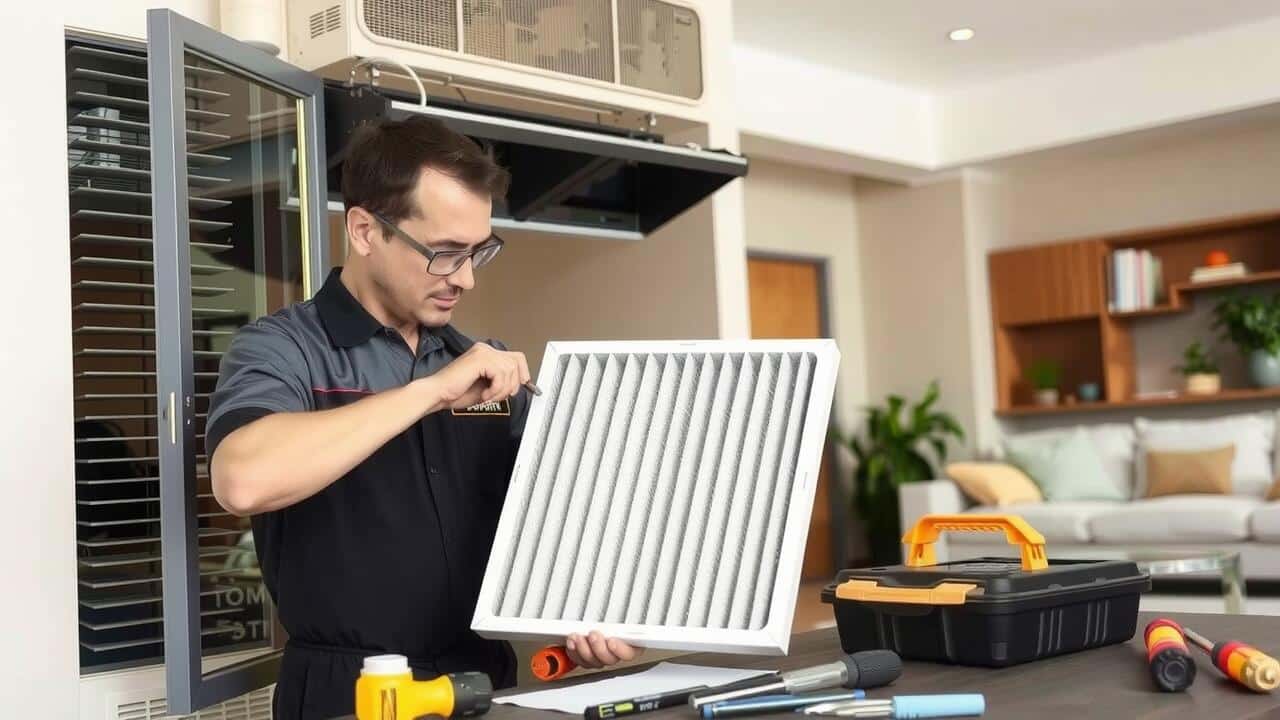
Changing your air filter is a straightforward process, but it requires attention to detail. Start by turning off your HVAC system to ensure safety. Locate the air filter compartment, which is typically found near the air handler or return duct. Remove the old filter by pulling it out gently, and take note of its size for purchasing the correct replacement.
Before installing the new filter, check the arrow on the frame that indicates the direction of airflow. Insert the new filter into the compartment, ensuring it fits snugly. It’s crucial to perform regular Air Filter Replacement to maintain air quality and system efficiency. Once the new filter is in place, turn your HVAC system back on and monitor for any unusual sounds, indicating a proper installation.
A Step-by-Step Guide
To begin the air filter replacement process, gather the necessary tools and materials. You will typically need a new air filter, a screwdriver, and clean cloths for dusting. First, switch off your HVAC system to avoid any accidents. Locate the air filter compartment, which is often found near the air handler or inside the return air ducts. Carefully remove any screws or latches securing the cover and set it aside.
Next, take out the old air filter and examine its condition. If it’s heavily soiled or clogged, it’s an indicator that it’s time for a replacement. Ensure you check the filter’s size to match it with the new one. Insert the new filter into the compartment, making sure it’s oriented correctly according to the airflow arrows. Finally, secure the cover back in place and turn the HVAC system back on. Regularly performing this maintenance ensures your system operates efficiently and improves indoor air quality.
Common Myths About Air Filter Maintenance
Many people believe that air filter replacement is unnecessary if the air seems clean. This misconception can lead to poor indoor air quality and reduced HVAC system performance. Dust, pollen, and other pollutants accumulate in filters over time, significantly affecting the air circulating in homes. Regular maintenance is essential for keeping both the air and the equipment in optimal condition.
Another common myth is that all air filters need to be changed at the same interval regardless of type. Different filters have varying lifespans and efficiencies. For example, high-efficiency particulate air (HEPA) filters may last longer than standard fiberglass filters. Understanding the specific requirements for air filter replacement can help homeowners maintain their systems more effectively.
Debunking Misconceptions
Many people believe that air filter replacement is only necessary during specific seasons or when visible dust is apparent. However, this misconception overlooks the fact that air filters continuously trap pollutants, allergens, and particles. Even without visible debris, filters can become saturated and compromised, reducing their effectiveness. Regular replacements are essential regardless of seasonal changes or perceived cleanliness.
Another common myth suggests that a higher-priced filter is always more effective than a less expensive option. Price does not always equate to performance. The effectiveness of an air filter largely depends on its MERV rating, which measures its ability to trap particles. Often, standard filters can perform adequately for most household needs. Understanding the specifications and requirements of your HVAC system is more important than simply opting for the most expensive filter available.
FAQS
How often should I change my air filters?
It is generally recommended to change your air filters every 1 to 3 months, depending on factors such as the type of filter, usage, and household conditions like pets and allergies.
What happens if I don’t change my air filters regularly?
Neglecting to change your air filters can lead to reduced air quality, increased energy bills, and potential damage to your HVAC system due to reduced airflow and strain on the components.
Are there any signs that indicate I need to change my air filter?
Yes, signs include reduced airflow from vents, increased dust accumulation in your home, higher energy bills, and visible dirt or discoloration on the filter itself.
Can I clean my air filter instead of replacing it?
It depends on the type of filter. Some reusable filters can be cleaned and reused, but most disposable filters should be replaced when they become dirty.
Do air filters need to be changed in the winter?
Yes, air filters should be changed year-round, including during the winter, as they continue to filter air regardless of the season. Regular changes help maintain indoor air quality and system efficiency.