Table Of Contents
Proper Handwashing as a Preventative Measure
Handwashing remains one of the simplest yet most effective methods to prevent the spread of germs in any household. Practicing proper hand hygiene is essential, especially before handling food or after using the restroom. When washing hands, use soap and warm water, scrubbing for at least 20 seconds. This routine helps to remove dirt, viruses, and bacteria. Regular handwashing not only protects individual health but also contributes significantly to overall home sanitizing efforts.
Incorporating a handwashing routine into daily life can dramatically reduce the likelihood of illness among family members. It serves as a critical first line of defense against infections, particularly in homes with children or vulnerable individuals. By emphasizing this practice, households can create a safer environment, further enhancing their home sanitizing protocols. This preventative measure becomes even more crucial during cold and flu season when the spread of viruses is more prevalent.
Techniques for Effective Germ Removal
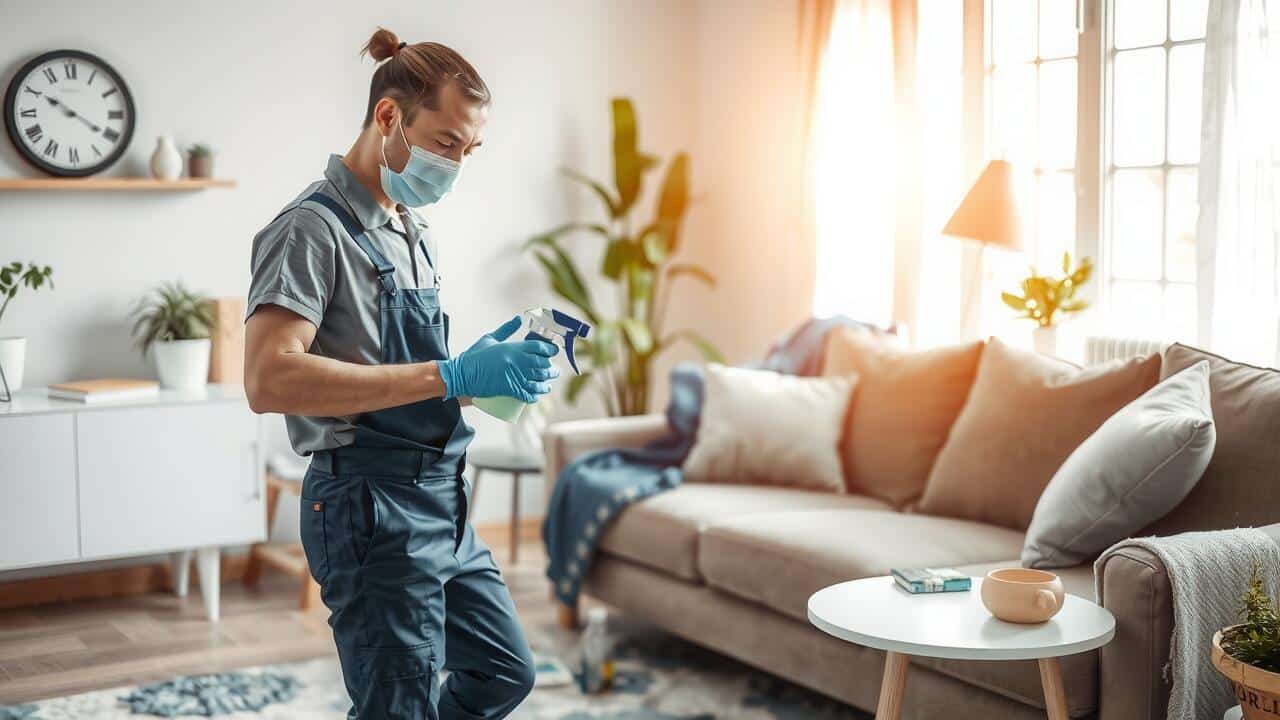
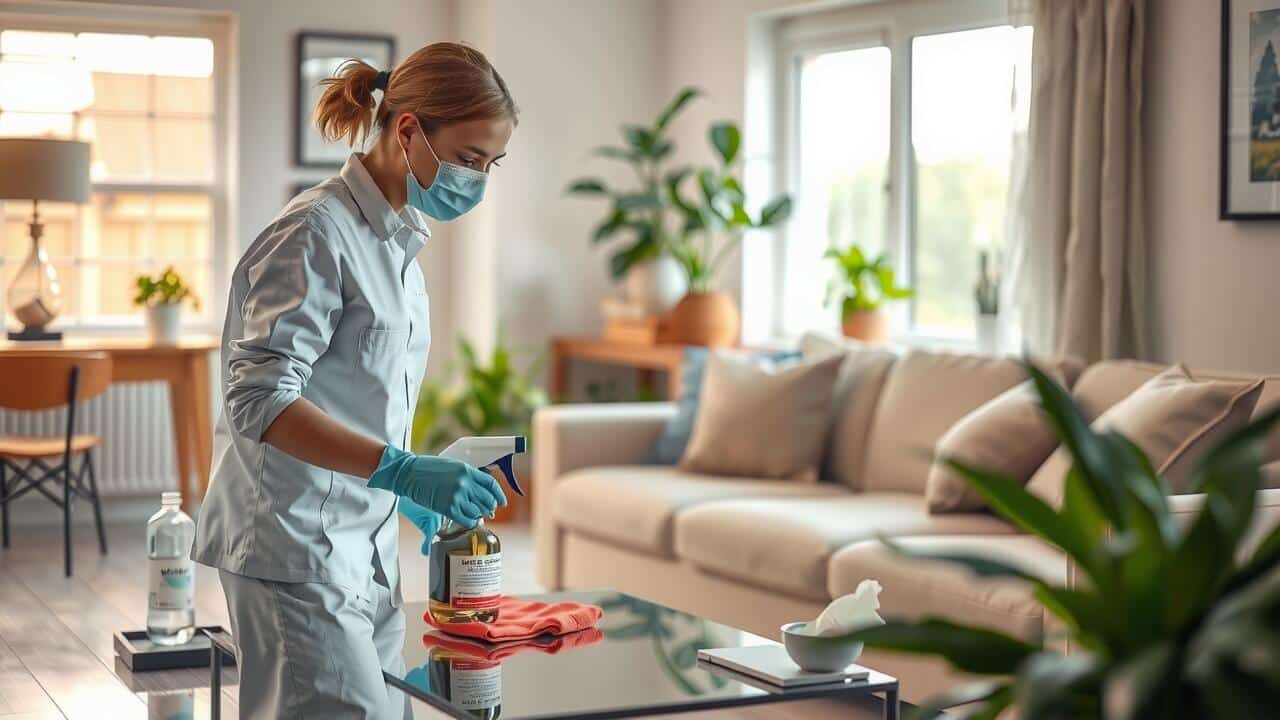
For effective germ removal, using the right techniques and products is essential. Begin by focusing on high-touch surfaces such as doorknobs, light switches, and countertops. Start with a thorough cleaning using soap and water to remove dirt and debris. After cleaning, apply a disinfectant appropriate for the surface. Follow the manufacturer’s instructions regarding dwell time, which is the duration the surface should remain moist with the disinfectant to ensure optimal germicidal activity.
Incorporating home sanitizing into your routine can help maintain a healthier living environment. Utilize microfiber cloths or disposable wipes for cleaning to prevent cross-contamination. Pay attention to often overlooked items, such as remotes, smartphones, and keyboards, as these can harbor germs. Regularly sanitizing these surfaces will help reduce the risk of illness and provide peace of mind for you and your family.
Incorporating Air Quality into Sanitization
Air quality plays a crucial role in the overall effectiveness of home sanitizing. While traditional cleaning methods focus on surfaces, ensuring clean air minimizes the presence of airborne pathogens and allergens. Regularly changing air filters in heating and cooling systems and using high-efficiency particulate air (HEPA) filters can significantly reduce pollutants. Additionally, incorporating houseplants may enhance air quality, as certain varieties are known to filter toxins naturally.
Proper ventilation is another essential aspect of improving indoor air quality during home sanitizing efforts. Opening windows and doors when weather permits allows for fresh air to circulate, diluting indoor contaminants. Investing in air purifiers designed to filter out bacteria and viruses can contribute further to a healthier environment. Maintaining lower humidity levels also discourages mold growth, making it easier to sustain a sanitized home.
Benefits of Air Purifiers and Ventilation
Air purifiers serve a crucial role in home sanitizing by removing harmful particles such as dust, allergens, and pathogens from the air. Many devices employ HEPA filters that capture microscopic organisms, reducing the overall concentration of pollutants. This cleaner air helps to create a healthier living environment, especially for households with individuals who may have respiratory issues or allergies. Regularly changing filters enhances the effectiveness of these purifiers, ensuring they operate optimally.
Ventilation is equally important in maintaining air quality and supporting home sanitizing efforts. Opening windows and using exhaust fans facilitate the exchange of indoor air with fresh outdoor air. This process dilutes indoor pollutants and reduces the buildup of harmful substances. Effective ventilation not only lowers the risk of airborne illnesses but also contributes to overall comfort in the home, making it a vital component of any sanitization routine.
Sanitizing During Cold and Flu Season
The cold and flu season brings increased risk of illness, making home sanitizing essential for maintaining a healthy environment. High-touch surfaces such as doorknobs, light switches, and remote controls should receive special attention. Utilizing disinfectants that are proven effective against viruses can greatly reduce the chances of transmission within the household. Regularly cleaning these areas helps to create a barrier against germs.
In addition to surface cleaning, incorporating good hygiene practices into daily routines is important. Encouraging family members to wash their hands frequently can minimize the spread of illness. It’s also beneficial to remind everyone to cover their mouths when they cough or sneeze. By taking these proactive steps alongside thorough home sanitizing, the overall health and well-being of the household can be better protected during colder months.
Proactive Steps to Protect Your Household
Sanitizing your home effectively requires planning and consistency. Begin by identifying high-touch areas where germs tend to accumulate. Regularly disinfect surfaces such as doorknobs, light switches, and countertops. Incorporating a routine for home sanitizing not only minimizes the presence of harmful pathogens but also fosters a sense of cleanliness that can enhance your family’s well-being.
Additionally, encourage good hygiene practices among household members. Remind everyone to wash their hands frequently and to cover sneezes and coughs to prevent the spread of germs. Having dedicated sanitizing supplies on hand can make these activities more manageable. By establishing a culture of cleanliness within your home, you can create a protective barrier during cold and flu season, ensuring that everyone stays healthier throughout the year.
FAQS
What are the most effective sanitizing products to use in my home?
The most effective sanitizing products include disinfectants that contain at least 70% alcohol, hydrogen peroxide, and bleach solutions. Always follow the manufacturer’s instructions for proper use and safety.
How often should I sanitize my house?
It’s recommended to sanitize frequently touched surfaces daily, especially during cold and flu season. Other areas, like kitchens and bathrooms, should be sanitized regularly based on usage.
Can I use natural cleaning products for sanitization?
Yes, natural cleaning products like vinegar and baking soda can be effective for cleaning, but they may not be as effective at killing germs as commercial disinfectants. For best results, look for natural products that are specifically labeled as sanitizers.
Is it necessary to wear gloves while sanitizing my home?
While it’s not strictly necessary, wearing gloves is advisable to protect your skin from harsh chemicals and to maintain hygiene when cleaning.
How can I improve indoor air quality while sanitizing?
To improve indoor air quality, use air purifiers with HEPA filters, ensure proper ventilation by opening windows, and regularly clean and maintain HVAC systems. This helps reduce allergens and pollutants while sanitizing.