Table Of Contents
DIY Chimney Cleaning Techniques
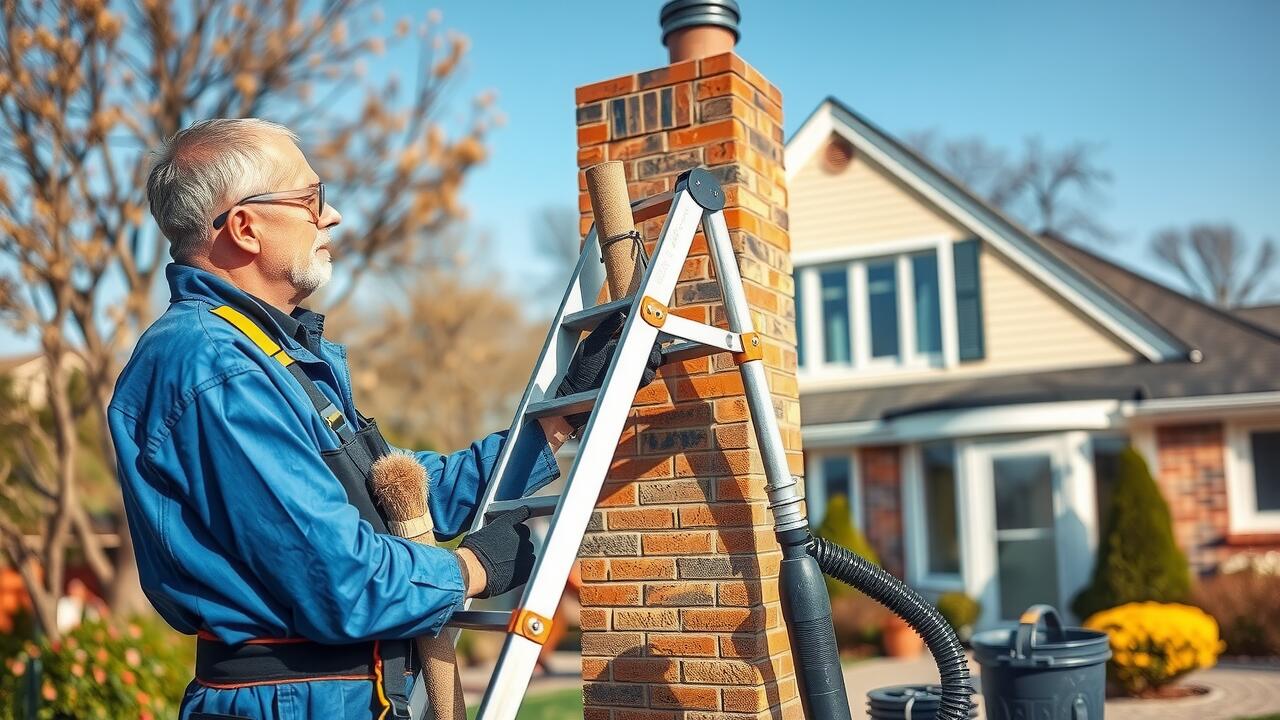
Chimney cleaning can be a straightforward task if approached correctly. Start by gathering the necessary tools, such as a chimney brush, extension rods, and a vacuum designed for ash and soot. Wearing protective gear, including goggles and a mask, is essential to shield yourself from debris and dust. Begin by removing creosote buildup from the flue lining, using the brush to scrub the interior walls thoroughly. For better access to difficult areas, attach the extension rods as needed.
After brushing, it is crucial to check the chimney cap and flue for any blockages, such as bird nests or leaves. These obstacles can create hazards and reduce the efficiency of your fireplace. If you notice significant buildup or structural issues during your inspection, it might be time to consider professional assistance. Regular chimney cleaning ensures safe operation and prolongs the life of your chimney system.
Tools You’ll Need
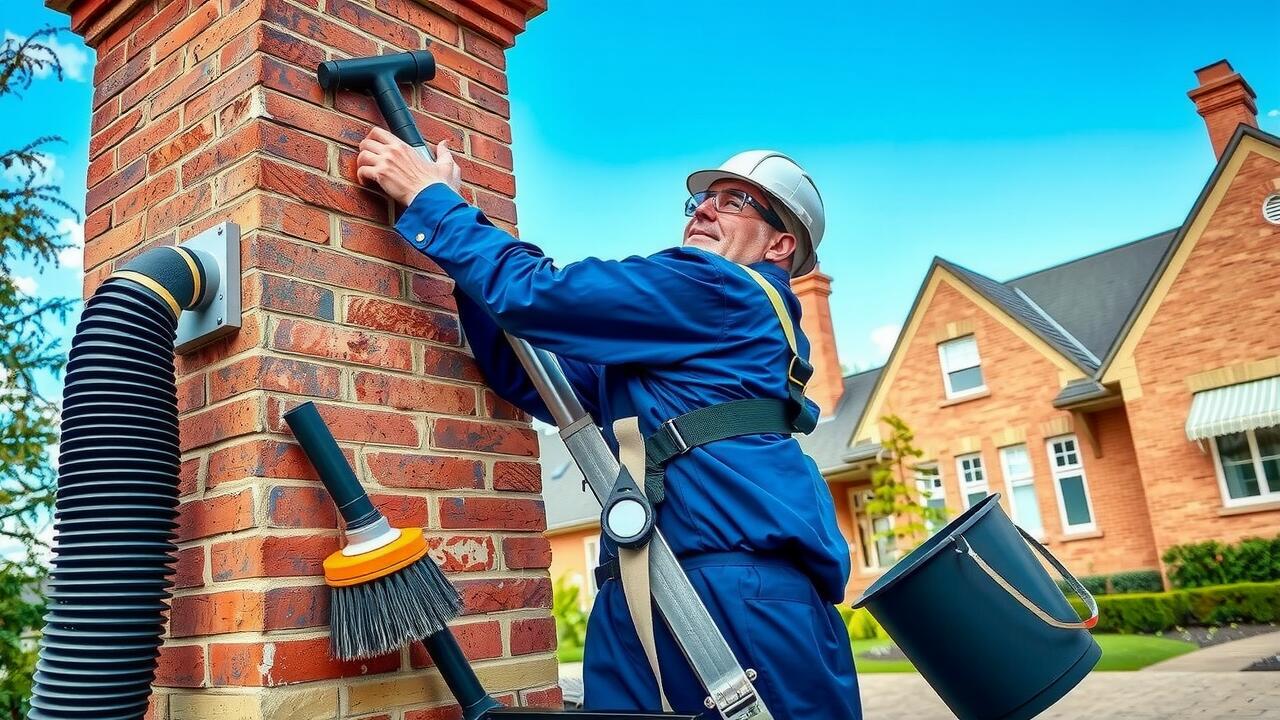
When preparing for chimney cleaning, having the right tools can make all the difference. A sturdy chimney brush is essential for dislodging soot and creosote buildup. These brushes typically come in various sizes and shapes to accommodate different flue dimensions. A flexible rod is necessary for reaching higher sections of the chimney effectively, allowing you to scrub away debris that accumulates over time.
In addition to brushes and rods, a vacuum designed for fireplaces or a shop vac is highly recommended. This equipment helps capture dust and soot particles, preventing them from spreading throughout your home. Safety gear should not be overlooked, so wear gloves, goggles, and a dust mask while performing chimney cleaning. Having a drop cloth on hand can also protect your flooring from any debris that may fall during the cleaning process.
Hiring a Professional Chimney Sweep
When considering chimney cleaning, hiring a professional sweep can provide a level of expertise that is hard to match. These specialists have the training and tools necessary to conduct a thorough inspection and cleaning of the chimney system. They are familiar with current safety regulations and can identify any potential issues like creosote buildup or structural damage. This experience can save homeowners time and prevent costly repairs down the line.
Choosing the right service for chimney cleaning involves looking for a few key qualities. Verify that the sweep is certified and insured. Positive customer reviews can also point to a reliable service provider. Additionally, inquire about their cleaning methods and the types of equipment they use. A reputable professional will be happy to discuss their process and ensure that your chimney is well-maintained and safe for use.
What to Look for in a Service
When searching for a professional service for chimney cleaning, it’s essential to prioritize experience and qualifications. Look for companies that have been in the field for several years. Certification from recognized organizations, such as the Chimney Safety Institute of America (CSIA), indicates a commitment to best practices and safety. Reviews and testimonials from previous customers can provide insight into the reliability and effectiveness of the service.
In addition to qualifications, consider the range of services offered. A comprehensive chimney cleaning service should cover not only regular maintenance but also inspections and potential repairs. Ask about their approach to safety during the cleaning process. Inquire whether they carry liability insurance. Having proper insurance protects both you and the company in case of accidents or damage.
Seasonal Considerations for Chimney Care
Seasonal changes significantly impact the condition of your chimney. During the fall, leaves and debris can accumulate in the flue, creating blockages that may pose fire risks. Regular inspection becomes crucial before winter months when heavy usage of wood-burning stoves and fireplaces increases. Scheduling chimney cleaning ahead of the cold season ensures a safe and efficient heating source.
In spring, it is also beneficial to assess the chimney’s condition after months of use. Residual creosote and ash can be left behind, which may lead to chimney drafts or other issues. Engaging in chimney cleaning during this time prepares your system for the warmer months, minimizing the risk of pests taking residence in the flue. Establishing a routine based on seasonal changes helps maintain a functional and safe chimney year-round.
Preparing for Winter Use
Proper preparation for winter use involves ensuring your chimney is ready to handle the increased demand. Many homeowners overlook the importance of regular maintenance, yet chimney cleaning is essential to prevent hazardous buildup. Creosote can accumulate over the months, rendering your chimney less efficient and more dangerous. Conducting a thorough inspection before winter begins can identify potential issues that could arise during heavy usage.
Additionally, consider the overall condition of your fireplace and chimney. Checking for cracks or gaps will help ensure safe operation throughout the winter. A well-maintained chimney not only enhances the safety of your home but also improves heating efficiency. Schedule your chimney cleaning and inspection early in the season to avoid the last-minute rush.
FAQS
How often should I have my chimney cleaned?
It’s generally recommended to have your chimney cleaned at least once a year, especially if you use your fireplace regularly.
What are the signs that my chimney needs cleaning?
Signs that your chimney needs cleaning include soot buildup, a strong smell of creosote, smoke backing up into your home, or visible blockages.
Can I clean my chimney myself?
Yes, you can clean your chimney yourself if you have the right tools and knowledge. However, for a thorough job and safety considerations, hiring a professional is advisable.
What tools do I need for DIY chimney cleaning?
Essential tools for DIY chimney cleaning include a chimney brush, extension rods, a vacuum, protective gear, and a flashlight to inspect the interior.
Are there specific times of year that are better for chimney cleaning?
The best time for chimney cleaning is in the late summer or early fall, before you start using your fireplace for the winter season.