Table Of Contents
Preventing Future Mold Growth
To effectively prevent future mold growth, controlling moisture levels in your home is crucial. One of the most significant contributors to mold is excess humidity. Use dehumidifiers in damp areas such as basements or bathrooms, and ensure that your home maintains a humidity level between 30% and 50%. Regular maintenance of plumbing and roofs can also mitigate leaks that may foster mold spores.
In addition to moisture control, proper ventilation plays a vital role in mold prevention. Ensure that bathrooms, kitchens, and laundry rooms are well-ventilated. Installing exhaust fans can help expel moisture-laden air outside. After any mold remediation efforts, it is essential to maintain these practices to prevent returning issues. Clean and dry any wet areas promptly to create an inhospitable environment for mold growth.
Effective Moisture Control Strategies
Effective moisture control is essential for preventing mold growth in any environment. One of the most straightforward approaches is maintaining indoor humidity levels between 30% and 50%. Utilizing dehumidifiers can significantly reduce moisture in areas prone to dampness, such as basements and bathrooms. Regularly checking for leaks or water damage can help catch problems early. Prompt repairs are crucial, as even small spills can lead to significant mold issues if left unaddressed.
Another important strategy is ensuring proper drainage around your property. Gutters and downspouts should be clear, directing water away from the foundation. Landscaping should slope away from the building to prevent water pooling. In kitchens and bathrooms, using exhaust fans while cooking or showering helps to expel moisture promptly. By implementing these effective moisture control strategies, homeowners can significantly decrease the likelihood of mold growth and the need for extensive mold remediation.
When to Seek Professional Help
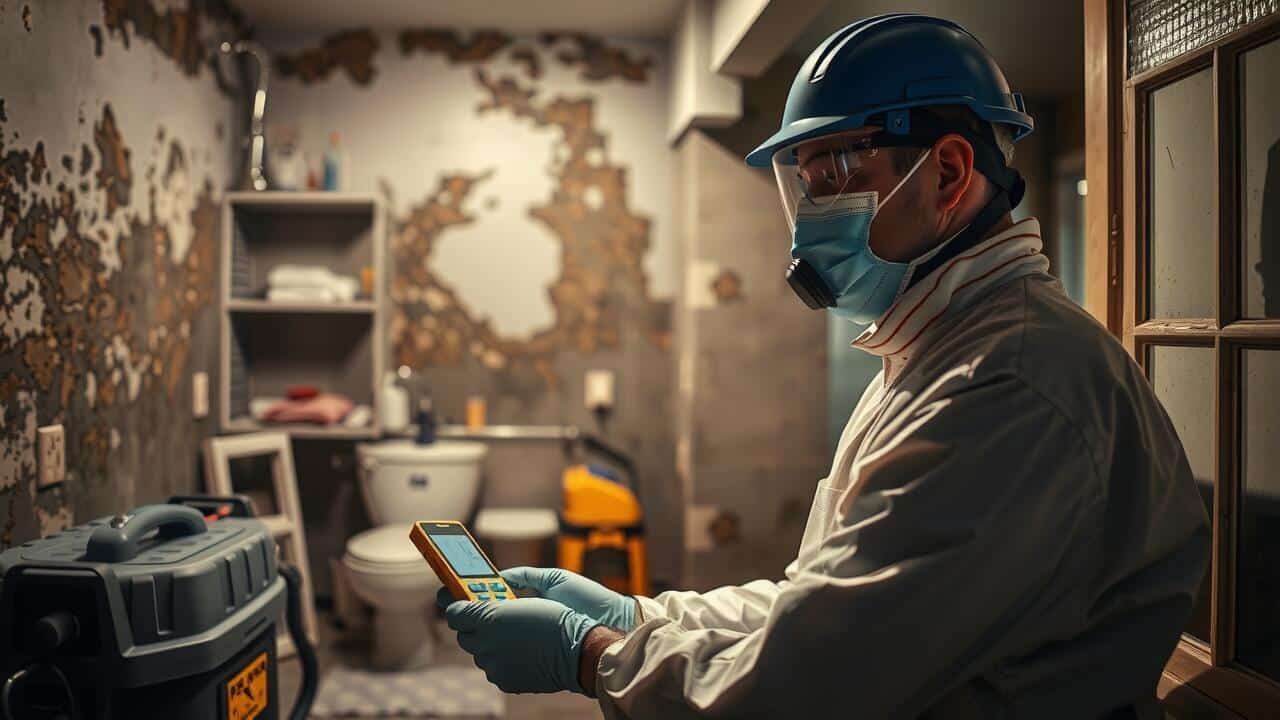
Not every mold issue can be effectively handled through DIY methods. If you notice extensive mold growth, particularly in hard-to-reach areas or if it covers a large surface, it may be time to consider professional assistance. Mold remediation involves specialized techniques and equipment to safely remove the mold and address the underlying moisture problems. Professionals can also identify the source of the mold and implement measures to prevent its return.
Health concerns associated with mold exposure are another reason to seek expert help. Individuals with respiratory conditions, allergies, or weakened immune systems may experience heightened sensitivity to mold. Professionals in mold remediation can assess the health risks and suggest appropriate solutions, ensuring that a comprehensive approach is taken to create a safe living environment.
Signs That Indicate a Larger Issue
Recognizing the signs that indicate a larger issue with mold growth is crucial for home safety. If you notice persistent dampness in certain areas, especially in basements or bathrooms, it may suggest that the underlying cause is more significant than typical humidity. Additionally, if you experience worsening allergy symptoms or unusual health issues among household members, this could signal an extensive mold infestation that warrants professional mold remediation services.
Another major concern arises when visible mold reappears shortly after cleaning or when a musty odor persists even after thorough cleaning efforts. Such signs indicate that the source of moisture is not adequately addressed. In these situations, a thorough investigation is necessary to identify hidden mold within walls or behind furnishings, which could lead to structural problems. Seeking professional mold remediation can provide the expertise needed to tackle these hidden challenges effectively.
The Importance of Ventilation
Proper ventilation plays a crucial role in maintaining healthy indoor air quality and preventing mold growth. Adequate airflow helps to reduce humidity levels within a space. This moisture control is essential as damp environments are breeding grounds for mold. Improved ventilation allows for the circulation of fresh air, thus minimizing stagnant conditions where mold spores can thrive.
In addition to aiding in mold remediation, effective ventilation can enhance overall comfort in your home. Opening windows and using exhaust fans in areas like kitchens and bathrooms promotes air movement and prevents excess moisture buildup. Regularly checking and maintaining ventilation systems can further ensure that your space remains dry and mold-free.
Tips for Improving Air Circulation
Improving air circulation in your home is essential for preventing mold growth. One effective method is to strategically place fans in rooms that tend to trap moisture. Ceiling fans can also enhance airflow and help distribute air more evenly throughout a space. Regularly changing HVAC filters and ensuring that vents are unobstructed aids in maintaining proper circulation, which can significantly reduce humidity levels.
Periodic opening of windows can provide natural ventilation. This practice allows fresh air to enter while expelling stale air that may harbor moisture. Implementing these simple techniques not only promotes a healthier indoor environment but also supports mold remediation efforts by minimizing damp, stagnant conditions that allow mold spores to thrive.
FAQS
Can I safely remove mold from my home without professional help?
Yes, you can remove small amounts of mold yourself using appropriate cleaning solutions and protective gear. However, it’s important to assess the extent of the mold growth before proceeding.
What materials do I need to remediate mold on my own?
To remediate mold, you will need protective gear (gloves, mask, goggles), cleaning solutions (such as diluted bleach or vinegar), scrub brushes, and disposable cloths or sponges.
How can I tell if I have a mold problem that requires professional intervention?
You should seek professional help if you notice extensive mold growth (greater than 10 square feet), if the mold returns after cleaning, or if you experience health issues such as respiratory problems.
What are effective strategies for preventing future mold growth after remediation?
Effective strategies include controlling moisture levels, improving ventilation, repairing leaks, using dehumidifiers, and ensuring proper drainage around your home.
Is it safe to use bleach to clean mold?
While bleach can be effective in killing surface mold, it does not penetrate porous materials and may not fully remove the mold. It’s also important to ensure proper ventilation when using bleach due to its strong fumes.
