Table Of Contents
Limitations of Vinegar as a Sanitizer
Vinegar is often touted for its versatility as a cleaning agent, but its effectiveness as a sanitizer has limitations. It is primarily acetic acid and, while it can help reduce certain types of bacteria, it does not meet the stringent standards set for sanitizers in many situations. In environments like kitchens or hospitals, where pathogens are more resilient, vinegar alone may not provide adequate protection against germs. This makes it less reliable in essential home sanitizing tasks when professional-grade sanitizers may be more effective.
Furthermore, vinegar lacks the ability to eliminate viruses and certain molds, which can be critical concerns in a household setting. While it can be helpful for basic cleaning and odor removal, relying solely on vinegar for comprehensive home sanitizing could leave harmful contaminants behind. Regular use of vinegar may give a false sense of security, as its limitations mean that additional methods or products might be necessary to ensure thorough disinfection, especially in high-risk areas.
Situations Where Vinegar May Fall Short
In certain situations, vinegar may not be sufficient for effective home sanitizing. While it has some antimicrobial properties, studies show that it cannot eliminate all pathogens, particularly more resilient bacteria and viruses. For instance, when dealing with surfaces that require high levels of disinfection, such as kitchen counters after preparing raw meat, vinegar may leave harmful microbes behind. This limitation can be significant for households aiming for strict hygiene standards.
Another scenario in which vinegar falls short is when combating certain types of mold and mildew. Vinegar can inhibit the growth of some mold strains, but it may not eradicate established colonies. This makes it less effective in areas prone to moisture, such as bathrooms, where specialized cleaning agents are often necessary. Relying solely on vinegar in these situations could compromise the effectiveness of home sanitizing efforts.
Recommended Vinegar Solutions for Cleaning
When considering vinegar as a cleaning agent, it’s essential to choose the right solution for effective home sanitizing. A common recommendation is to use a mix of equal parts vinegar and water for general cleaning tasks. This dilution not only helps in removing grime and odors but also maintains a level of acidity that can deter some bacteria from thriving. For tougher stains or buildup, a stronger concentration of vinegar, with a ratio of 1:1 or even 2:1 vinegar to water, can be employed.
It’s important to remember that while vinegar can assist in cleaning, it should not be the sole method for home sanitizing in situations requiring higher disinfection standards. Areas that require more stringent sanitization, such as kitchens and bathrooms, might benefit from pairing vinegar with other cleaning agents or methods. Utilizing vinegar solutions in a focused manner enhances the overall effectiveness of your cleaning routine, while still allowing for the natural properties of vinegar to shine through.
Dilution Ratios and Concentrations
When using vinegar for home sanitizing, the appropriate dilution ratios can significantly enhance its effectiveness. A common recommendation is to mix one part white vinegar with one part water. This 50/50 solution works well for general cleaning purposes, allowing the acetic acid in the vinegar to perform optimally while minimizing potential surface damage. For more stubborn stains or grimy areas, some may opt for a stronger solution, such as a 70% vinegar to 30% water mix, although caution is advised to prevent damage to certain surfaces like marble or granite.
The concentration of acetic acid varies by vinegar type, impacting its sanitizing capability. Regular white vinegar typically contains about 5% acetic acid, which is sufficient for many household cleaning tasks. However, cleaning vinegar, found in some stores, contains around 6% to 7% acetic acid. This higher concentration may be more effective for specific applications, such as degreasing or descaling, but should still be used with care. Understanding these ratios can help ensure effective and safe use of vinegar in home sanitizing routines.
Safety Considerations When Using Vinegar
When considering the use of vinegar for home sanitizing, it’s essential to be aware of potential risks. While vinegar is generally safe for household use, its acetic acid content can cause skin irritation in some individuals. Using vinegar in concentrated forms or applying it to sensitive surfaces without proper dilution may lead to damage or undesired chemical reactions, particularly on natural stone or certain finishes. Always wear gloves when handling vinegar to protect your skin, especially during prolonged exposure.
Another safety aspect involves the combined use of vinegar with other cleaning agents. Mixing vinegar with bleach or products containing ammonia can generate toxic gases, posing significant health risks. For effective home sanitizing, it’s crucial to use vinegar alone or with compatible substances. Clear labeling and storage practices can further ensure that vinegar remains separate from other cleaners, minimizing the chance of accidental mixing.
Potential Risks and Precautions
While vinegar is often considered a natural cleaning agent, it is essential to be aware of potential risks when using it for home sanitizing. Mixing vinegar with certain substances, such as bleach, can produce harmful gases that pose significant health risks. Additionally, vinegar’s acidity can damage certain surfaces, including natural stone, waxed furniture, and some types of grout. Therefore, it is crucial to avoid using vinegar on these materials to prevent unintended damage.
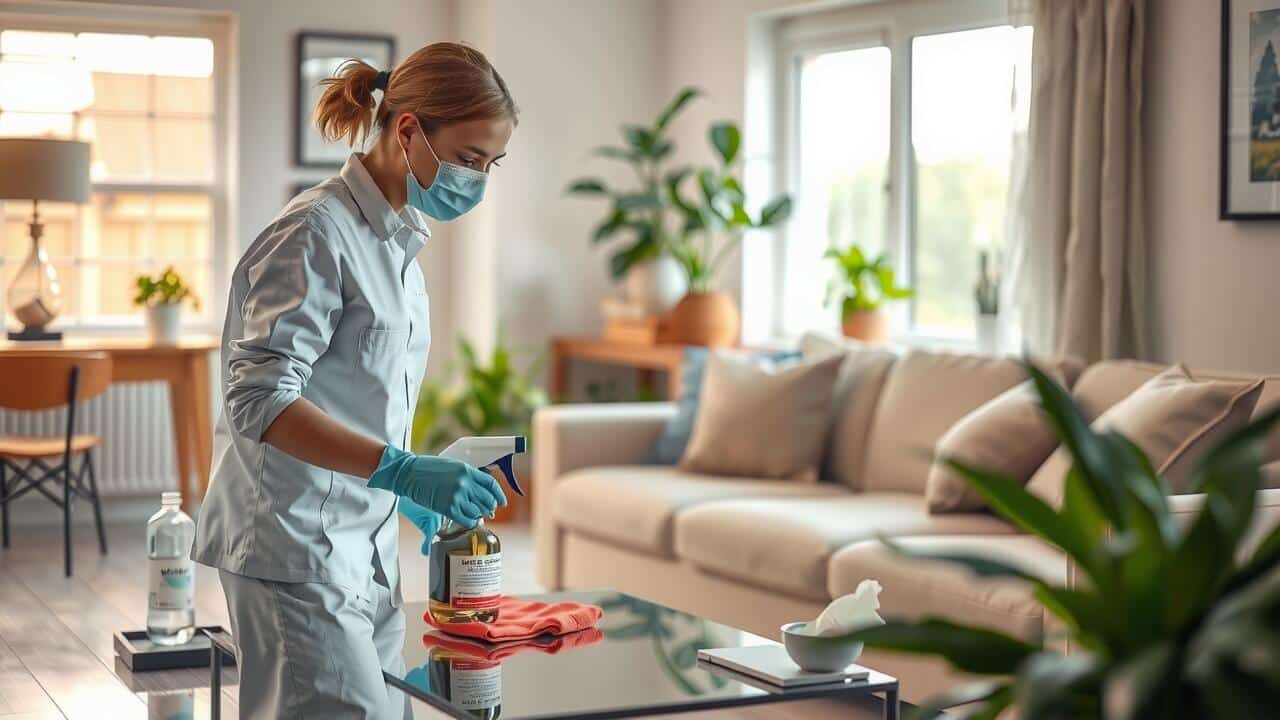
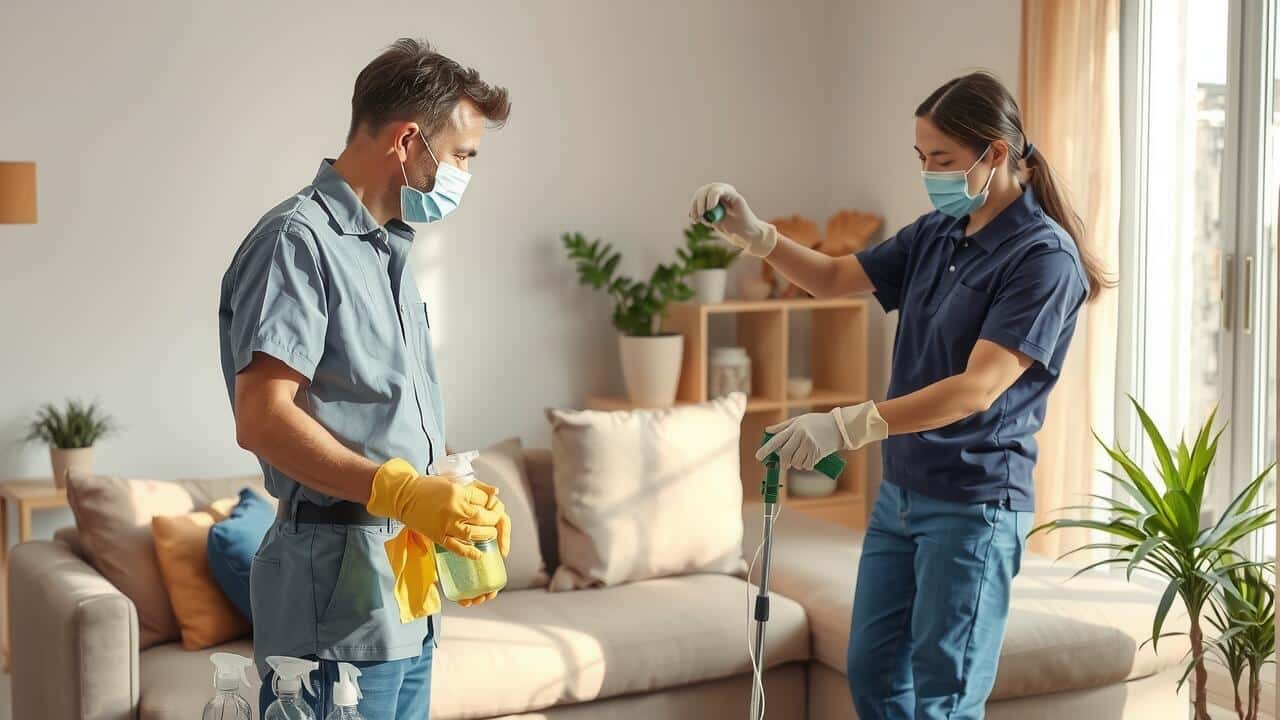
When applying vinegar for home sanitizing, one should take several precautions. Wearing gloves can protect the skin from irritation caused by prolonged contact with vinegar. Proper ventilation is also important; ensuring that the area is well-ventilated reduces the likelihood of inhaling any irritants or odors. Always test a small, inconspicuous area first, especially on delicate surfaces, to check for adverse reactions. Following these guidelines can help mitigate risks while still harnessing vinegar’s cleaning properties.
FAQS
Can vinegar effectively kill bacteria and viruses?
Vinegar can kill some bacteria and viruses due to its acidity, but it is not considered a reliable disinfectant for all pathogens. Its effectiveness varies depending on the type of microorganism and the concentration of vinegar used.
What are the limitations of using vinegar as a sanitizer?
Vinegar has limitations, including its inability to kill certain pathogens like norovirus and some strains of bacteria. It may not be effective on porous surfaces and can lose its sanitizing properties when diluted too much.
How should vinegar be diluted for cleaning purposes?
A common dilution ratio for cleaning is one part vinegar to one part water, although stronger concentrations may be used for tougher stains and odors. Always check the specific cleaning requirements for the surface being treated.
Are there safety precautions I should take when using vinegar for cleaning?
Yes, it’s important to avoid mixing vinegar with bleach or any products containing hydrogen peroxide, as this can produce harmful gases. Additionally, ensure good ventilation and consider wearing gloves to protect your skin.
Is vinegar suitable for all cleaning applications?
While vinegar can be used for many cleaning tasks, it is not suitable for all surfaces. Avoid using vinegar on natural stone, wood, or some types of electronic devices, as it may cause damage.