Table Of Contents
How to Clean Your Ducts
Cleaning your ductwork involves a few essential steps to ensure that the system functions efficiently. Begin by turning off your HVAC system to prevent any debris from circulating during the cleaning process. Next, remove the vent covers and use a vacuum with a long hose attachment to reach deep into the ducts. It’s also beneficial to use a brush to dislodge dirt and dust that may have settled inside. Regular cleaning not only improves air quality but also enhances the efficiency of your heating and cooling system.
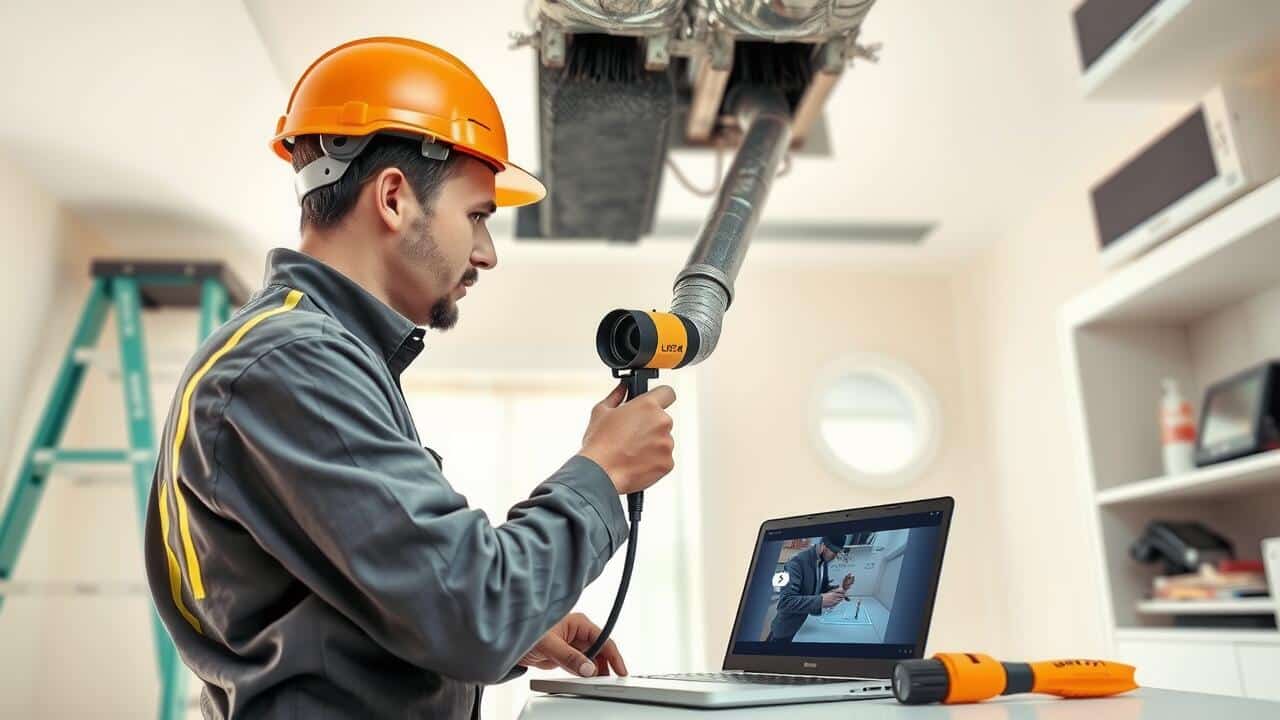
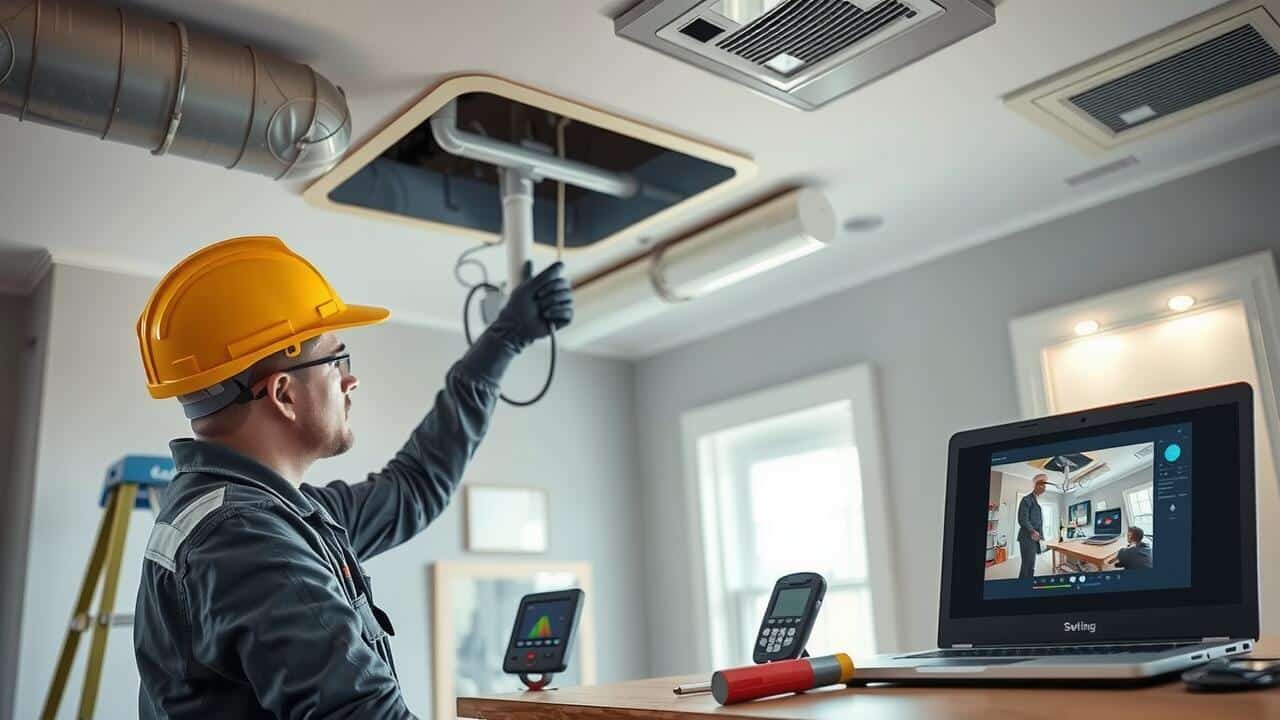
For a more thorough examination, consider an Air Duct Video Inspection. This method employs a small camera to explore the entire duct system, providing a clear view of any buildup or blockages hidden from plain sight. Such inspections can identify issues like mold, excessive dust, or pest infestations. After completing these initial cleaning steps and inspections, ensure that the vent covers are securely replaced and that your HVAC system is ready for optimal performance.
Recommended Cleaning Techniques
Regular cleaning of ductwork is essential for maintaining good air quality in your home. One effective method is to utilize a vacuum with a high-efficiency particulate air (HEPA) filter. This ensures that dust, allergens, and other debris are removed without scattering particles back into the air. Additionally, using brushes specifically designed for duct cleaning can help dislodge stubborn buildup. Another recommended technique involves the use of compressed air to blow out dirt and dust from hard-to-reach areas.
For a more thorough assessment of your ductwork, an Air Duct Video Inspection can provide valuable insights. This technique uses a small camera to capture real-time visuals inside the ducts, allowing you to identify blockages or damage that may not be immediately visible. It can help guide your cleaning efforts and determine whether more intensive maintenance is necessary. Implementing these cleaning techniques will enhance the efficiency of your HVAC system and promote a healthier indoor environment.
When to Call a Professional
Occasionally, homeowners may notice issues that exceed their ability to address. If you experience persistent odors, excessive dust buildup, or uneven air flow, it might be time to seek professional assistance. A thorough examination using advanced techniques can pinpoint problems that are not immediately visible. Air Duct Video Inspection provides a clear view of the ductwork’s interior, revealing blockages, mold, or damage that could compromise air quality and system efficiency.
Additionally, if you are uncertain about the last time your ducts were inspected or cleaned, bringing in an expert can ensure your system is functioning optimally. A professional can assess the situation more accurately and recommend appropriate solutions based on the condition of your ducts. Investing in expert guidance can prevent more significant issues down the line and maintain a healthier indoor environment.
Signs You Need Expert Help
Homeowners should be vigilant about signs that indicate the need for professional help with ductwork. If there is an unusual increase in energy bills, this can point to inefficiencies caused by dirty or obstructed ducts. Additionally, if you notice a persistent, unpleasant odor throughout your home, it may signal mold or other contaminants within the duct system. Observing these issues warrants an immediate assessment.
One effective method to diagnose problems in your ductwork is an Air Duct Video Inspection. This technique allows professionals to visually identify blockages, damage, or signs of pests within ducts. Should you experience excessive dust accumulation on surfaces or an increase in allergy symptoms among family members, these could be clear indicators that it’s time to call in an expert for a thorough evaluation and potential cleaning.
Preventative Measures for Ductwork
Regular maintenance is essential for the longevity of your ductwork. One effective approach is to schedule routine cleanings to prevent dust and debris from accumulating. In addition, sealing any visible gaps or leaks can enhance the efficiency of your HVAC system, which ultimately leads to lower energy bills. Consider using filters with a higher MERV rating; these can capture finer particles and improve indoor air quality.
Utilizing technologies such as Air Duct Video Inspection can provide a thorough understanding of your ductwork’s condition. This technique allows you to identify any buildup or blockages that may not be visible otherwise. Keeping track of these insights helps plan for future maintenance. Educating yourself about the typical wear and tear on your system can also aid in making informed decisions about when to perform inspections or cleanings.
Tips for Long-Term Care
Regular maintenance is essential for keeping your ductwork in good condition. Consider scheduling periodic cleanings to remove dust and debris that accumulate over time. This not only improves air quality but also enhances your HVAC system’s efficiency. Using tools like an Air Duct Video Inspection can provide a clear view of the interior of your ducts. This helps identify problem areas that may require attention before they escalate.
Additionally, replace air filters regularly to ensure your system operates smoothly. Clean filters prevent dirt from entering the ducts and maintain proper airflow. Inspecting duct seals and joints periodically can also prevent leaks that compromise efficiency. Incorporating these practices into your routine will help extend the lifespan of your ductwork and maintain a healthy indoor environment.
FAQS
How often should I inspect my ductwork?
It is recommended to inspect your ductwork at least once a year, but more frequent inspections may be necessary if you notice signs of dust buildup, unusual odors, or changes in airflow.
What tools do I need to inspect my ductwork?
Basic tools for inspecting ductwork include a flashlight, a screwdriver, and a vacuum cleaner with a brush attachment. A camera or smartphone can also be helpful for documenting any issues.
What should I look for during a ductwork inspection?
During an inspection, check for signs of dust accumulation, mold growth, leaks or holes in the ducts, damaged insulation, and any blockages that may impede airflow.
Can I inspect my ductwork myself, or should I hire a professional?
You can perform a basic inspection yourself, but for a thorough evaluation, especially if you suspect major issues, it’s best to hire a professional who can provide a comprehensive assessment and cleaning.
What are the consequences of neglecting ductwork inspections?
Neglecting ductwork inspections can lead to decreased indoor air quality, higher energy bills, and potential damage to your HVAC system due to blockages or leaks.