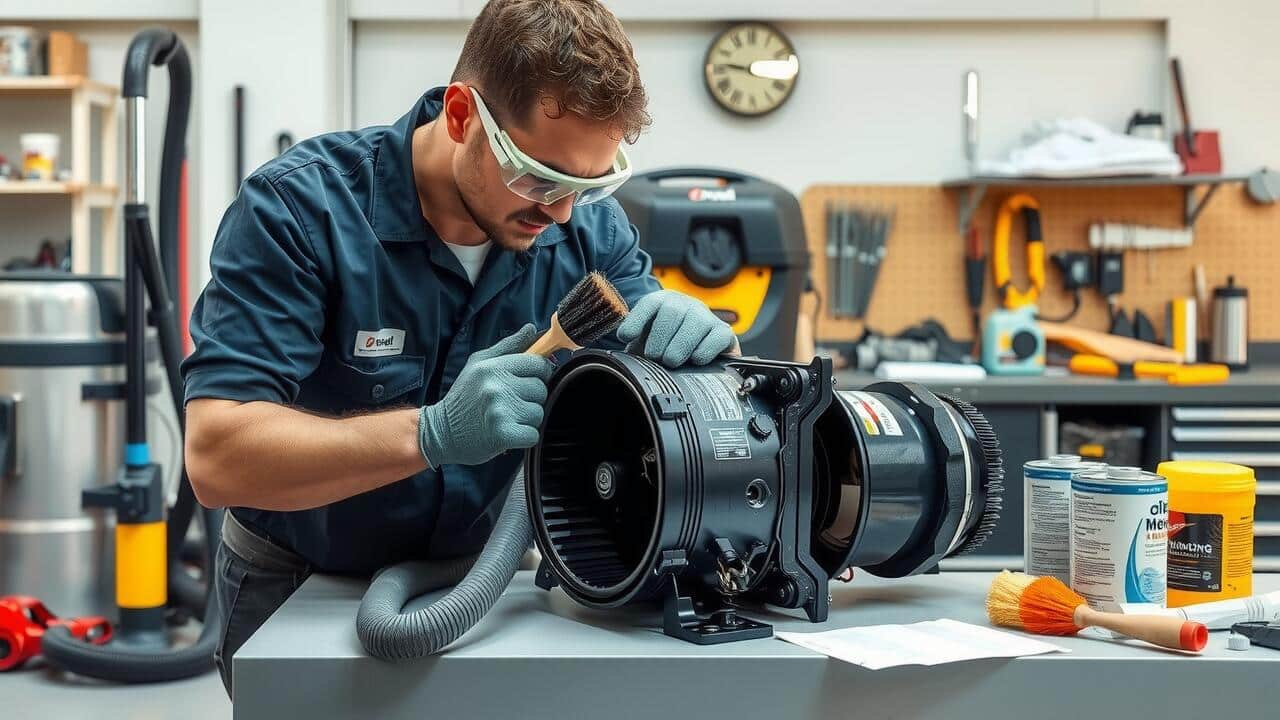
At Sugar Land Duct & Vent Cleaning, we specialize in comprehensive blower motor cleaning to ensure your HVAC system operates at peak efficiency. Over time, dust and debris can accumulate in your blower motor, leading to reduced airflow and increased energy consumption. Our expert technicians use state-of-the-art equipment and techniques to thoroughly clean the blower motor, removing any buildup that can impede performance. By investing in our blower motor cleaning service, you not only enhance the longevity of your system but also improve indoor air quality and reduce energy costs. Trust Sugar Land Duct & Vent Cleaning to keep your home comfortable and efficient year-round.
Maintenance Frequency Recommendations
Regular maintenance of the blower motor is essential to ensure optimal performance of your HVAC system. It’s generally recommended to inspect and clean the blower motor and its components at least once a year. This frequency can vary based on environmental factors and usage patterns. If your home is in a dusty area or if you have pets, consider increasing this frequency. Additionally, changing air filters regularly helps to reduce the accumulation of dirt and dust in the blower and the overall system.
Alongside annual inspections, homeowners should perform visual checks every few months. Look for any signs of dirt buildup or unusual noises that may indicate an issue with the blower fan or motor. Keeping a routine maintenance schedule can help with identifying potential problems early on. It also ensures the longevity of your unit, minimizing the need for costly repairs or replacements later. Proper care not only aids in ensuring good airflow but also significantly enhances air quality throughout your home.
Establishing a Routine
Regular blower motor cleaning helps maintain optimal performance in heating and cooling systems. Implementing a routine inspection schedule can prevent dust and debris buildup, ensuring that airflow remains efficient. This maintenance should include checking the airbox and any associated components, such as the fuel filter and cooling fins, for signs of wear or damage. Consistent inspections will keep the system running smoothly and identified issues manageable before they escalate into costly repairs.
Incorporating cleaning into a seasonal routine, ideally before high-use periods, allows for adequate preparation. This may involve using compressed air to remove debris or a specialized nozzle for thorough cleaning. Engaging with resources like tutorial videos can facilitate effective DIY inspections. Building these practices into a standard maintenance schedule ensures longevity for the unit while minimizing operating costs throughout the year.
Benefits of Regular Blower Maintenance
Regular maintenance of blower motors enhances their efficiency and prolongs their lifespan. A well-maintained blower operates more smoothly, resulting in improved airflow and optimal temperature control. This promotes a comfortable environment while reducing energy consumption. By ensuring that components such as electrical connections and pulleys are free of rust and buildup, the likelihood of more significant malfunctions decreases.
Neglecting maintenance can lead to reduced performance and increased wear on the motor. Issues that arise from neglect, such as unusual noises or decreased airflow, can quickly escalate into costly repairs or replacements. Regular cleaning and inspections help identify potential problems early, preventing the domino effect of minor issues developing into major failures. Addressing maintenance proactively can save money over time and enhance the reliability of your heating and cooling systems.
Long-Term Cost Savings
Regular maintenance of blower motors in heating and air conditioning systems can lead to significant long-term cost savings. By ensuring that the blower motor is clean and functioning effectively, homeowners can improve energy efficiency, which reduces utility bills over time. A well-maintained system uses less energy to operate, lowering wear and tear on components like the compressor and evaporator coil. This preventative maintenance helps avoid costly repairs that can arise from neglect, such as those related to electrical connections or corroded parts.
Additionally, investing time in upkeep can enhance indoor air quality. Clean blower motors work more efficiently, circulating air throughout the ductwork without overexerting the system. This efficiency translates to a consistent performance, reducing the likelihood of breakdowns during high-demand periods. Maintaining optimal operating temperatures can also extend the lifespan of the equipment, meaning fewer replacements and repairs in the future.
Troubleshooting Unusual Noises
Unusual noises from a blower motor can signal underlying issues that require immediate attention. A rattling sound may indicate loose screws or components, whereas a high-pitched whine could suggest worn-out bearings that are straining under operation. Additionally, any grinding noises often point to contact between metal parts that should remain separate. Regular inspection of the unit can help in identifying these sounds and addressing them before they escalate into more significant problems.
Understanding the source of these noises aids in effective troubleshooting. If the blower motor operates intermittently or starts and stops unexpectedly, it may be a sign of electrical issues, including a faulty circuit breaker or poor connections. Inspecting the wiring and ensuring that the motor is properly insulated can help reduce noise levels and enhance the system’s overall efficiency. Taking time to assess these elements ensures optimal performance and prolongs the lifespan of the heating or air purification system.
Identifying Potential Problems
Unusual noises emanating from the blower motor can indicate underlying issues. Common sounds such as grinding or squealing may suggest worn bearings or a misaligned fan. These noises often signal the need for immediate attention to prevent further damage. Regular checks can help pinpoint these problems early, avoiding escalation that could lead to expensive repairs.
In addition to sounds, inconsistent airflow and increased energy consumption may reveal other potential problems. If the blower motor struggles to push air through the ducts, this could signify a blocked filter or ductwork issues. Monitoring these factors regularly ensures that systems operate efficiently, prolonging the lifespan of the equipment and enhancing overall home comfort.
FAQS
How often should I clean my blower motor?
It is generally recommended to clean your blower motor at least once a year, but the frequency may vary depending on usage and environmental factors.
What are the signs that my blower motor needs cleaning?
Common signs include reduced airflow, unusual noises, and increased energy bills, which may indicate that dust and debris are affecting its performance.
Can I clean the blower motor myself, or should I hire a professional?
While you can clean the blower motor yourself with the right tools and precautions, hiring a professional may be a better option if you are unsure about the process or if the motor requires extensive servicing.
What benefits come from regular blower motor maintenance?
Regular maintenance can lead to improved efficiency, longer lifespan of the motor, and potential cost savings on energy bills and repairs.
What should I do if I hear unusual noises from my blower motor?
If you hear unusual noises, it’s important to troubleshoot the issue promptly. Check for loose components or debris, and consider consulting a professional if the problem persists.