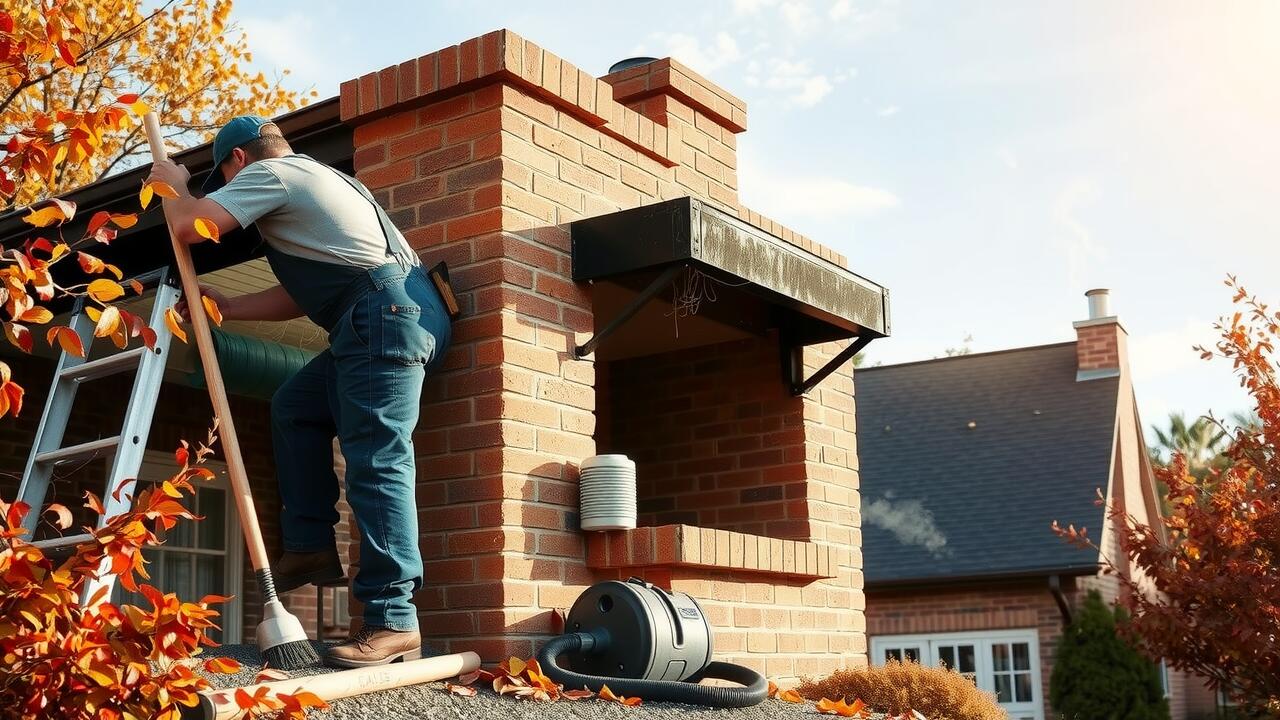
At Sugar Land Duct & Vent Cleaning, we understand the importance of maintaining a safe and efficient home, which is why we offer professional chimney sweep services. Our experienced technicians are dedicated to ensuring that your chimney is free of creosote buildup, debris, and blockages, all of which can lead to dangerous fire hazards and reduced airflow. Using state-of-the-art equipment and techniques, we thoroughly inspect and clean both traditional and gas fireplaces, ensuring that your chimney functions optimally while enhancing your home’s indoor air quality. With our commitment to customer satisfaction and safety, you can trust Sugar Land Duct & Vent Cleaning to provide reliable and thorough chimney sweep services that keep your home safe and comfortable year-round.
Signs Your Chimney Needs Attention
Observing signs of wear and damage on your chimney can prevent dangerous situations. A buildup of soot and creosote is one of the most common indicators that your chimney needs attention. Regular inspections by experienced chimney sweeps can identify these hazardous deposits before they lead to chimney fires. If you notice a strong odor of smoke inside your home or see smoke billowing out of your fireplace, these are clear signals that there may be an obstruction in the chimney flue.
Another important factor to consider is the condition of the chimney cap. If you find debris accumulating around the cap or notice cracks in the masonry, this could leave your chimney vulnerable to rain and other elements. A damaged chimney liner may also allow the escape of combustible gases, posing a risk to your health and safety. Maintaining proper airflow is crucial, so make sure to regularly check the damper and inspect for any signs of rust or malfunctioning components.
Recognizing Warning Signals of Damage
Homeowners should be vigilant in observing any signs that indicate their chimney requires professional attention. A common warning signal is the presence of soot and creosote buildup within the chimney flue. This flammable residue can restrict airflow and increase the risk of dangerous chimney fires. Another indication of trouble is the emergence of cracks or gaps in the chimney structure, which can jeopardize its integrity and safety. Unpleasant odors, especially a musty smell, may also suggest water intrusion, leading to deterioration and mold growth.
Additionally, watch for any unusual noises coming from the chimney area, as these could signify the presence of animals or birds nesting within the flue. Smoke escaping into the living space during a fire can signal a blockage in ventilation, posing serious hazards, including carbon monoxide exposure. Homeowners in the DFW Metroplex are advised to schedule regular inspections with certified chimney professionals to ensure their systems are safe and functional. This proactive approach not only enhances safety but also contributes to the longevity of the chimney and heating systems.
Types of Chimney Sweeps
Chimney sweeps come in various types, each offering specific services based on the condition and needs of the chimney. Some sweeps focus on basic cleaning, utilizing tools like wire brushes and shop vacs to remove soot and debris. Master chimney sweeps provide a more comprehensive inspection, assessing structural integrity and identifying any potential hazards. They may recommend repair services or installations, such as chimney caps, to prevent future issues.
The choice of a chimney sweep can greatly affect the efficiency of your heating system and overall home safety. It is essential to select sweeps who are certified and trained, as they possess the knowledge required to effectively maintain your chimney. The National Fire Protection Association emphasizes the importance of regular maintenance and inspections to avoid fire hazards. Knowledgeable professionals can help homeowners understand when their chimney requires attention and the best course of action.
Understanding Different Service Levels
When considering chimney sweep services, it is crucial to understand the varying levels of service available. Basic chimney sweeps typically focus on removing soot and debris from the flue. This process helps prevent fire hazards associated with flammable creosote buildup. More comprehensive services may include inspections for structural integrity, ensuring that elements like flue liners are in good condition, and checking for the presence of combustible materials around the chimney.
Advanced service levels also often encompass preventive maintenance. This can involve the installation of chimney caps to keep out debris and animals, which can obstruct airflow. Additionally, some companies now focus on eco-friendly solutions that address air quality concerns while providing routine maintenance. Understanding these levels allows homeowners to make informed choices regarding their chimney care, thereby enhancing safety and efficiency.
The Importance of Chimney Cap Installation
A chimney cap serves as an essential barrier, protecting the flue from debris and small animals that can obstruct airflow. Without proper installation, hazards such as blockages can lead to chimney fires or inefficient heating, making it crucial for homeowners to invest in this protective measure. In addition, a well-fitted cap can prevent rainwater from entering the chimney, which could potentially damage the chimney’s interior and compromise its structural integrity.
Chimney caps are available in various materials, including metal, brick, and terra cotta, each offering unique benefits. For instance, metal caps are often fireproof and durable, while brick options can blend seamlessly with traditional homes. Investing in the right chimney cap not only enhances safety but also aligns with environmentally friendly practices by ensuring that exhaust gases are expelled effectively. Regular evaluations by experts can help determine the need for a chimney cap and ensure optimal performance.
Protecting Your Chimney from Debris
A chimney cap serves as a protective barrier that helps keep out debris such as leaves, twigs, and even small animals, which can cause blockages or damage inside the chimney. By preventing these unwanted elements from entering, a cap also reduces the risk of water infiltration, which can lead to issues like crumbling masonry or mold growth. Maintaining a clean and dry chimney is essential for efficient airflow, promoting safer combustion and reducing the likelihood of incomplete combustion, which can release harmful gases into your home.
Regular inspections and cleaning are crucial to keep the chimney cap functioning effectively. Ensuring that it remains free from buildup and in good condition can prolong the lifespan of your chimney and improve its overall performance. A well-maintained chimney not only enhances safety but also adds to the efficiency of your heating system. Homeowners should consider these benefits and invest in proper chimney cap installation and maintenance as part of their routine home care.
FAQS
How often should I have my chimney swept?
It is generally recommended to have your chimney swept at least once a year, especially if you use your fireplace regularly. However, if you burn wood or have a lot of creosote buildup, more frequent cleanings may be necessary.
What are the signs that my chimney needs attention?
Signs that your chimney may need attention include excessive soot buildup, strange odors, smoke backing up into your home, and visible cracks or damage on the chimney structure.
What types of chimney sweeps are there?
There are two main types of chimney sweeps: those who focus on cleaning and maintenance and those who provide more comprehensive services, including inspections and repairs. It’s important to choose a service that meets your specific needs.
Why is chimney cap installation important?
Chimney caps are important because they prevent debris, animals, and rain from entering your chimney. They also help to reduce downdrafts and can protect your chimney from damage over time.
Can I clean my chimney myself?
While some homeowners may attempt to clean their chimneys themselves, it is recommended to hire a professional chimney sweep. Professionals have the tools and expertise to safely and effectively clean and inspect your chimney, ensuring that it operates safely and efficiently.