Table Of Contents
Prevention of Condensation
Insulating ductwork is essential for preventing condensation in heating and cooling systems. When warm air comes into contact with cool duct surfaces, moisture can form on the exterior, leading to potential water damage and mold growth. Air duct insulation creates a thermal barrier that helps maintain the temperature of the air within the ducts. This reduction in temperature fluctuations discourages the formation of condensation, which can be particularly problematic in humid climates.
Additionally, by addressing condensation issues, air duct insulation can contribute to improved indoor air quality. Controlling moisture not only protects the structural integrity of your home but also reduces the risk of mold spores entering the living space. Ensuring that ducts are properly insulated helps prevent mold growth by maintaining consistent temperatures, thus promoting a healthier environment within the home.
How Insulation Minimizes Moisture Issues
Air Duct Insulation plays a crucial role in preventing moisture-related issues within HVAC systems. When warm, moist air comes into contact with cold duct surfaces, condensation occurs. This leads to water accumulation, fostering the growth of mold and mildew. By wrapping ducts in insulation, temperature differences between the air inside the ducts and the outside environment are minimized. This creates a stable temperature around the ducts, significantly reducing the risk of condensation forming.
Proper installation of Air Duct Insulation can further enhance moisture management. Insulated ducts maintain consistent air temperatures, contributing to a more efficient and healthier HVAC system. Inadequate insulation or gaps can allow humid air to come into contact with cold surfaces, nullifying the benefits of insulation. Ensuring a complete and tight seal around all duct joints and connections is essential in maximizing the effectiveness of insulation.
Types of Insulation Materials
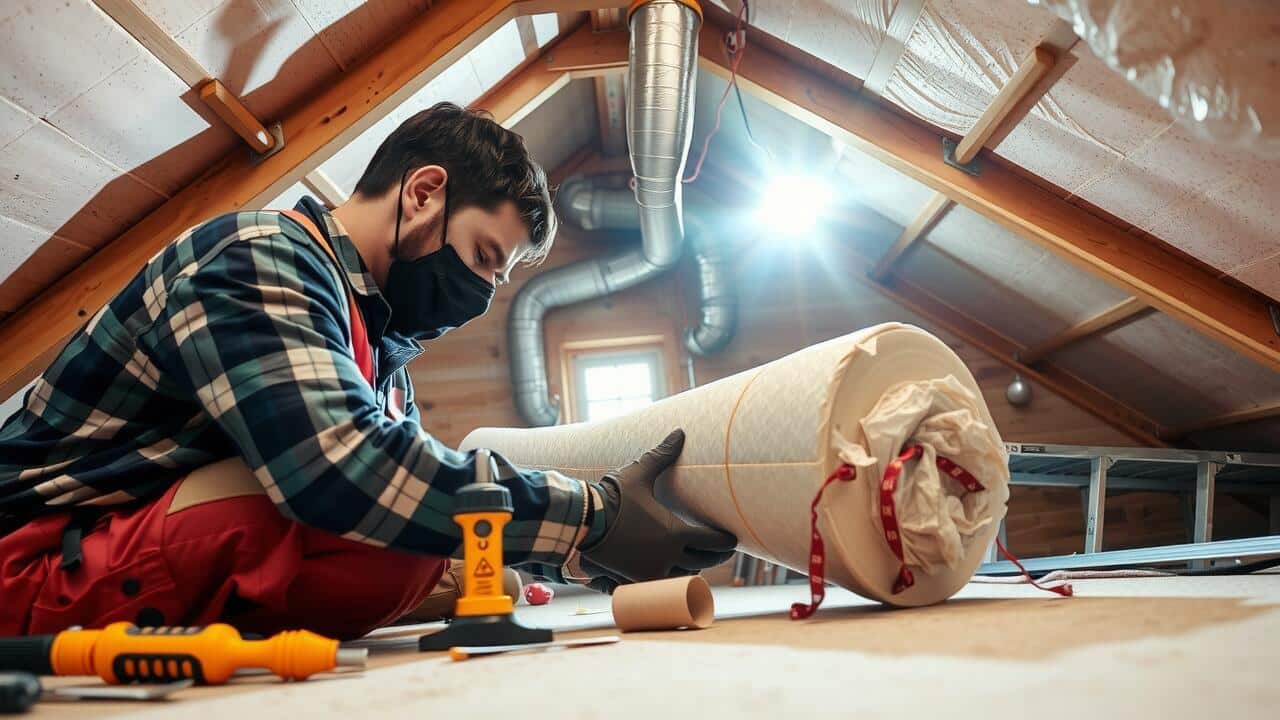
When choosing materials for air duct insulation, various options are available to suit different needs and budgets. Fiberglass insulation is one of the most popular choices due to its excellent thermal performance and affordability. It usually comes in batts or rolls and works by trapping air within its fibers, reducing heat transfer and maintaining indoor temperatures. Another common option is foam board insulation, known for its high R-value and moisture resistance. This type provides a rigid barrier that can be effective in both warm and cold climates.
In addition to fiberglass and foam boards, there are also reflective insulation materials that can be beneficial in certain situations. These materials, often made of aluminum foil, reflect radiant heat rather than absorbing it. This can be especially useful in attics or areas exposed to high levels of sunlight. Additionally, spray foam insulation offers an airtight seal around ducts, enhancing energy efficiency further. Each type of air duct insulation presents its own advantages, making it essential to evaluate the specific requirements of a home or business before making a decision.
Common Options for Duct Insulation
There are several effective materials commonly used for air duct insulation. Fiberglass insulation is a popular choice, thanks to its excellent thermal resistance and soundproofing capabilities. It typically comes in batts or rolls, which makes it easy to install around ductwork. Another option is foam board insulation, known for its high R-value per inch, making it ideal for tight spaces. This type of insulation is rigid and can help manage temperature fluctuations within the ducts.
Reflective insulation is also a viable option for air duct insulation, particularly in warmer climates. It works by reflecting radiant heat away from the ducts, maintaining cooler air within the system. Additionally, duct wrap insulation is specifically designed for enclosing ducts. This type of insulation is comprised of soft, flexible material that can be easily wrapped around ductwork, providing a snug fit and enhancing thermal efficiency. Each option offers unique benefits based on the specific needs of the HVAC system.
Proper Installation Techniques
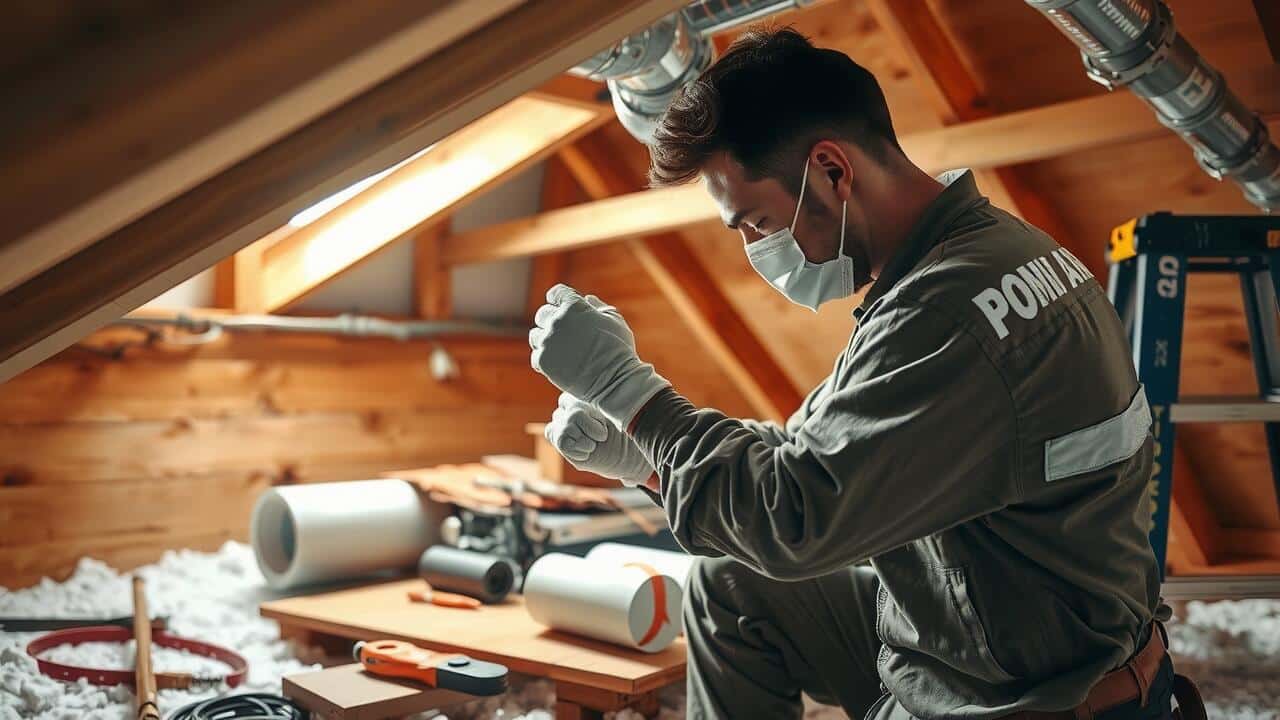
Proper installation techniques are crucial for maximizing the effectiveness of air duct insulation. Before beginning the insulation process, it is important to ensure that the ducts are clean and free from debris, which can interfere with the adhesion of insulation materials. Measuring and cutting the insulation to fit snugly around the ducts can prevent gaps that may allow heat transfer or condensation to occur. Workforce should wear appropriate safety gear to minimize risks during installation.
Securing the insulation properly is equally essential. Using tape or mechanical fasteners can help hold the insulation in place, ensuring that it remains effective over time. Additionally, attention must be given to sealing any seams or joints within the insulation. Adequately sealing these areas reduces the risk of air leaks, which can compromise the benefits of air duct insulation and lead to increased energy costs.
Best Practices for Duct Insulation
Proper installation of air duct insulation is crucial for maximizing its benefits. Ensuring a tight fit around the ducts is essential to prevent any gaps that may allow conditioned air to escape. This not only enhances energy efficiency but also maintains optimal temperature levels within the system. Sealing joints and seams with appropriate tape or mastic can further improve performance by reducing air leakage.
Choosing the right type of insulation material also plays a significant role in effectiveness. It is important to consider the R-value, which indicates thermal resistance, as well as moisture resistance when selecting insulation. Additionally, using materials that are fire-resistant can improve safety. Overall, careful selection and application will lead to better energy efficiency, lower energy bills, and improved indoor air quality.
FAQS
Why should ductwork be wrapped in insulation?
Ductwork should be wrapped in insulation to prevent condensation, minimize moisture issues, and enhance energy efficiency. Insulation helps maintain the temperature of the air within the ducts, reducing the risk of condensation forming on the duct surfaces.
What types of insulation materials are commonly used for ductwork?
Common types of insulation materials for ductwork include fiberglass, foam board, and reflective insulation. Each material has its advantages, such as thermal resistance and moisture control, making them suitable for different environments.
How does proper installation affect duct insulation performance?
Proper installation is crucial for duct insulation performance. Techniques such as ensuring a snug fit, sealing seams, and avoiding gaps help maximize the insulation’s effectiveness, prevent air leakage, and maintain optimal energy efficiency.
Can I insulate ductwork myself, or should I hire a professional?
While some homeowners may choose to insulate ductwork themselves, hiring a professional is recommended for optimal results. Professionals have the expertise and tools to ensure proper installation, which can significantly improve insulation effectiveness and prevent potential issues.
How can I tell if my ductwork needs insulation?
Signs that your ductwork may need insulation include noticeable temperature fluctuations in your home, increased energy bills, or visible condensation on the ducts. A professional assessment can help determine if insulation is necessary.