Table Of Contents
Tools Needed for Cleaning a Blower Motor
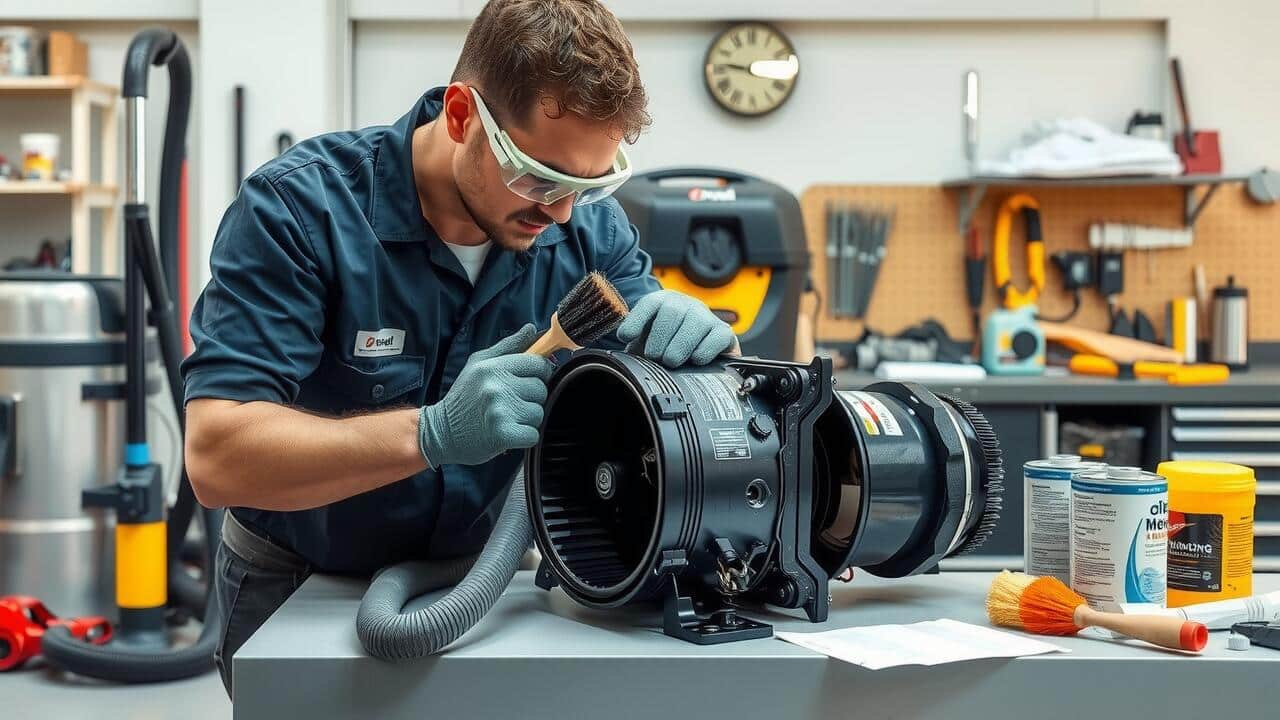
Having the right tools for blower motor cleaning is essential to ensure an effective and safe process. Start with a vacuum with a brush attachment to remove loose debris from the motor and surrounding areas. Compressed air can help dislodge stubborn dirt and dust, while a soft brush will allow for gentle cleaning of sensitive components. Additionally, having a screwdriver set on hand may be necessary to remove the blower motor from its housing.
Safety gear should also be part of your cleaning kit. Wear gloves to protect your hands from sharp edges and cleaning agents. Safety goggles will shield your eyes from flying debris during the cleaning process. Depending on the specific build of the blower motor, you might also need a multimeter to check electrical connections and troubleshoot any issues before or after cleaning. Proper equipment ensures that blower motor cleaning is not only effective but also minimizes the risk of damage.
Essential Equipment for Effective Cleaning
To effectively undertake blower motor cleaning, having the right equipment is crucial. Start with safety gear, including gloves and goggles, to protect yourself from dust and debris. A soft brush or vacuum with a brush attachment can help remove loose dirt without damaging the motor. Compressed air is also beneficial for blowing out stubborn particles that may be lodged in hard-to-reach areas.
In addition to basic cleaning tools, consider using a mild detergent mixed with water for a deeper clean if necessary. Ensure you have a clean cloth or sponge on hand to wipe down surfaces. Depending on the type of blower motor, a heat-resistant lubricant might be needed to ensure smooth operation after cleaning. Gathering all essential equipment beforehand makes the blower motor cleaning process more efficient and reduces the risk of damage during maintenance.
Step-by-Step Guide to Cleaning Your Blower Motor
Begin by ensuring safety is your top priority. Disconnect the power supply to your heating or cooling system before you start any maintenance. Remove the access panel to gain entry to the blower motor. Inspect the area for accumulated dust and debris. This is crucial for an effective blow motor cleaning process.
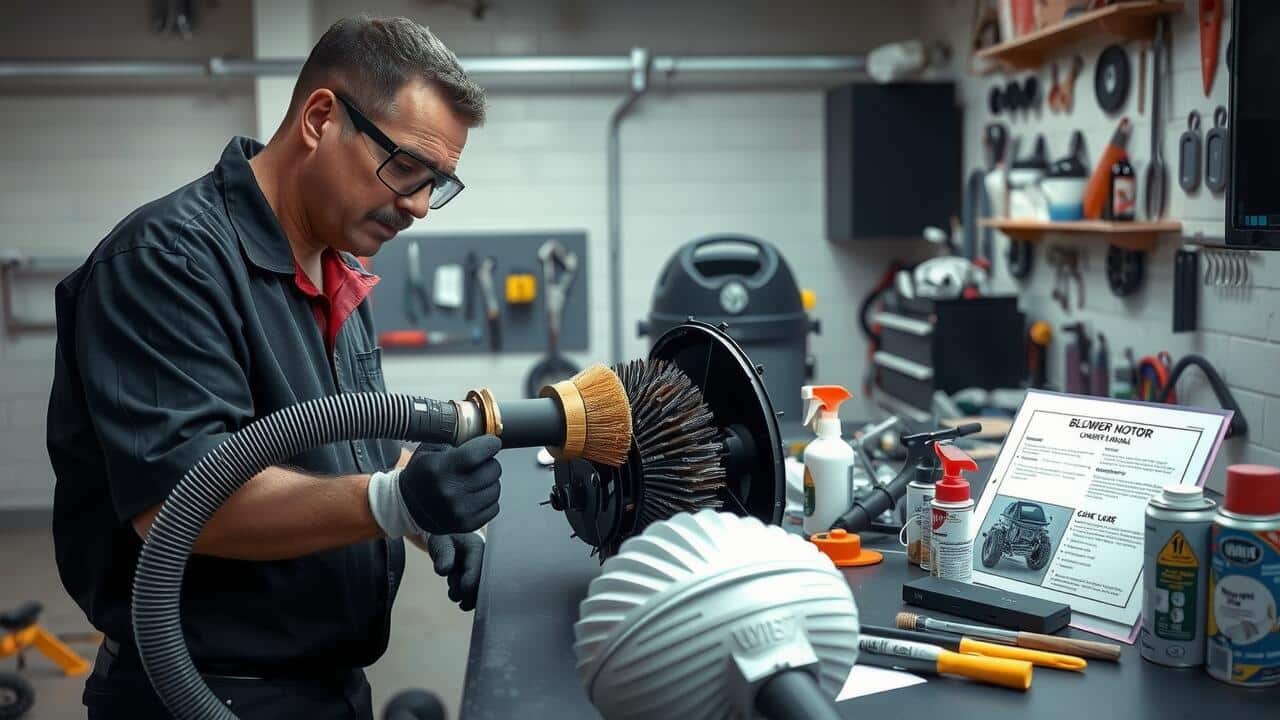
Next, use a vacuum cleaner with a brush attachment to carefully remove dirt and dust from the blower motor and surrounding components. Pay attention to the fan blades and housing. Wipe down the motor with a damp cloth to eliminate any stubborn grime. If necessary, utilize a soft brush to dislodge any debris in hard-to-reach areas, ensuring your blower motor cleaning is thorough. Reassemble the unit after ensuring all components are dry and free of obstructions.
Detailed Instructions for a Safe and Efficient Process
Before starting the blower motor cleaning, ensure that the power source is completely disconnected. Use a multimeter to confirm there is no electricity flowing to the unit. Gather your tools, including a soft brush, a vacuum with a hose attachment, and an electric contact cleaner. Remove any accessible panels to reach the blower motor. Take care not to damage any wiring during this process. Inspect the motor for visible dust and debris, as well as signs of corrosion.
When you’re ready to start cleaning, gently brush away loose dust from the blower motor. Make sure to avoid applying excessive pressure which could displace components. Use the vacuum to remove debris that has accumulated around the motor and in the housing. Spray the electric contact cleaner onto any connections that appear dirty. Allow everything to dry completely before reassembling the unit. After cleaning, reconnect the power and test the motor to ensure it operates efficiently.
Professional vs. DIY Cleaning
When considering blower motor cleaning, the decision between professional service and a DIY approach often comes down to personal skill level and comfort with mechanical tasks. Hiring a professional can ensure a thorough and safe cleaning process. Experts possess specialized tools and experience that might be lacking in a standard household toolbox. Moreover, professional services typically provide guarantees, giving peace of mind that the job will be done correctly.
On the other hand, a DIY blower motor cleaning can be a cost-effective solution that offers greater control over the process. For those who are handy and enjoy working on home maintenance, this approach can be rewarding. It allows individuals to learn more about their HVAC system and potentially save money on labor costs. However, without the right tools or knowledge, there’s a risk of improper cleaning that could lead to further issues down the line.
Weighing the Pros and Cons of Each Approach
When considering whether to tackle blower motor cleaning yourself or hire a professional, it’s essential to weigh the advantages and disadvantages of both options. DIY cleaning can save money, provide a sense of accomplishment, and allow you to address the problem at your own pace. However, it requires time, effort, and a certain level of technical skill, which might not be feasible for everyone. Additionally, improper cleaning could lead to further issues down the line.
On the other hand, opting for professional blower motor cleaning comes with its own set of benefits and potential drawbacks. Professionals typically have the expertise and specialized tools to ensure thorough cleaning, which can prolong the lifespan of your HVAC system. Yet, this convenience often comes with a higher price tag. Ultimately, the decision will depend on your budget, comfort level with hands-on tasks, and the specific circumstances surrounding your blower motor.
FAQS
Why should I clean my blower motor?
Cleaning your blower motor helps improve its efficiency, reduces energy consumption, and prolongs its lifespan. A clean motor can also enhance air quality by preventing dust and debris from circulating in your home.
How often should I clean my blower motor?
It is recommended to clean your blower motor at least once a year, ideally before the heating or cooling season begins. However, if you notice decreased airflow or unusual noises, it may be time for an earlier cleaning.
Can I clean my blower motor myself?
Yes, you can clean your blower motor yourself if you follow the appropriate safety precautions and guidelines. A detailed step-by-step guide can help you perform the cleaning safely and effectively.
What tools do I need to clean my blower motor?
Essential tools for cleaning a blower motor typically include a screwdriver, vacuum cleaner with a brush attachment, soft brushes, and possibly a cleaning solution. It’s important to gather these tools before starting the cleaning process.
When should I consider hiring a professional to clean my blower motor?
Consider hiring a professional if you are uncomfortable performing the cleaning yourself, if your blower motor is difficult to access, or if you suspect there are underlying issues that require expert attention.