Table Of Contents
Installation Techniques for Duct Insulation
Proper installation techniques are crucial for effective air duct insulation. One recommended method involves wrapping ductwork with insulation material, ensuring the seams overlap for a tight seal. This approach minimizes thermal bridging and helps maintain the temperature of heated or cooled air as it travels through the ducts. It is also important to use insulation that is appropriate for both the duct material and the environment in which the ductwork is located. Ensuring that the insulation is not compressed during installation is essential, as compression can significantly reduce its effectiveness.
Another best practice involves securing the insulation with the proper adhesive or mechanical fasteners to maintain its position. Regular checks and maintenance should be conducted to ensure the integrity of the insulation, as any damages or gaps can lead to significant energy loss. Attention should also be paid to the installation environment, as humidity and exposure to moisture can impact the performance of air duct insulation. Properly insulating the ducts not only enhances energy efficiency but also contributes to improved indoor air quality and comfort.
Best Practices for a Secure Fit
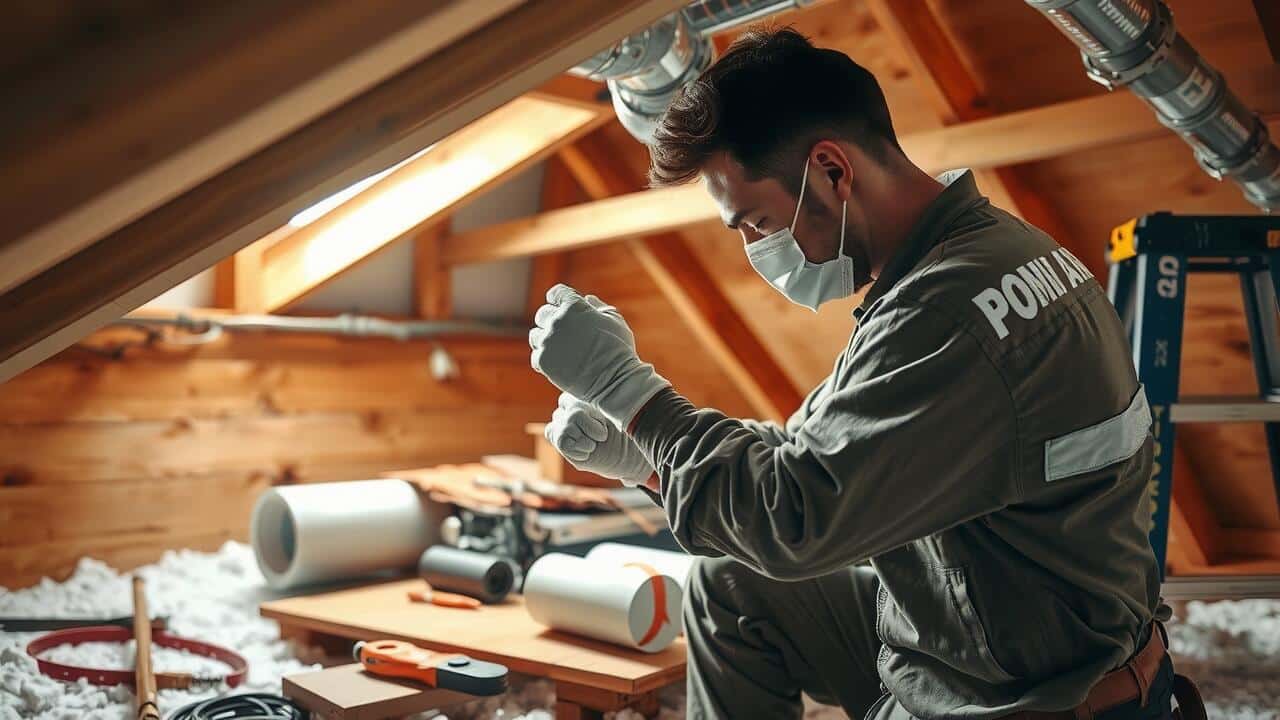
Achieving a secure fit for air duct insulation is crucial for maintaining energy efficiency and optimal performance. Prior to installation, it is essential to measure the ductwork accurately. Ensuring that insulation fits snugly around the ducts minimizes gaps, which can lead to potential air leakage and decreased efficiency. Use protective gloves while handling insulation materials to avoid skin irritation and to maintain the integrity of the insulation.
When applying air duct insulation, consider using techniques such as friction fitting, where the insulation is compressed around the duct, creating a tight seal. Additionally, secure the insulation with appropriate tape or mechanical fasteners, ensuring it remains in place over time. Inspecting the finished installation regularly will help catch any loose areas before they become problematic.
Common Mistakes in Duct Insulation
One common mistake in air duct insulation is the improper sealing of joints and seams. Gaps and openings can allow conditioned air to escape, reducing the efficiency of the heating and cooling system. It’s essential to use quality sealants or duct tape specifically designed for this purpose. A thorough inspection of all connections ensures that the insulation performs optimally, avoiding unnecessary energy loss.
Another frequent oversight is inadequate insulation thickness. Insufficient coverage can lead to temperature fluctuations within the ducts, increasing energy consumption. Choosing the right R-value for the insulation material is crucial. Many homeowners underestimate the importance of adding enough insulation layers, which diminishes the system’s ability to maintain a consistent temperature throughout the home.
Avoiding Air Leakage Issues
Proper installation of air duct insulation is crucial to minimizing air leakage. Gaps and improperly sealed connections can significantly reduce the efficiency of your HVAC system. Use mastic sealant or metal tape on seams and joints to ensure a tight seal. Attention to detail during installation reduces energy loss and aids in maintaining consistent temperatures throughout the home.
It is also important to regularly inspect insulated ducts for wear and tear. Over time, seals can weaken, and insulation can become damaged. Routine checks can identify issues early, allowing for timely repairs or re-insulation. Keeping air duct insulation in optimal condition enhances system performance and contributes to lower energy bills.
Comparing R-Values of Insulation Materials
R-value measures the thermal resistance of insulation materials, indicating how well a product can resist heat flow. In the context of Air Duct Insulation, selecting materials with higher R-values is essential for maintaining consistent temperatures within HVAC systems. Effective insulation not only reduces energy consumption but also controls indoor comfort levels by preventing heat loss in the winter and heat gain in the summer.
When comparing different insulation materials for air ducts, it is crucial to consider not just R-value but also factors such as durability, moisture resistance, and ease of installation. Fiberglass, foam board, and reflective insulation are common choices, each offering varying levels of efficiency based on their R-values. The right selection can lead to improved energy efficiency and a reduction in energy bills, ultimately enhancing the performance of heating and cooling systems.
What R-Value Means for Duct Performance
R-value measures the insulation’s ability to resist heat flow, which significantly impacts duct performance. A higher R-value indicates better thermal resistance, leading to reduced energy loss in air duct insulation systems. Selecting insulation with an appropriate R-value ensures that conditioned air remains at the desired temperature as it travels through the ductwork. This efficiency is critical in maintaining a comfortable indoor climate and minimizing energy costs.
Understanding the required R-values for specific climate zones can guide homeowners and contractors in making informed decisions. Different regions may demand different levels of thermal resistance based on outdoor temperatures and seasonal variations. Choosing the right air duct insulation not only enhances energy efficiency but also contributes to the overall comfort of living spaces.
FAQS
What type of insulation is best for ductwork?
The best type of insulation for ductwork typically includes fiberglass, foam board, or reflective insulation, depending on your specific needs, local climate, and the location of the ducts.
How do I determine the right R-value for my duct insulation?
The right R-value for duct insulation depends on your climate zone and the location of the ducts. Generally, higher R-values are recommended for colder climates to ensure better thermal performance.
Can I install duct insulation myself, or should I hire a professional?
While some homeowners may choose to install duct insulation themselves, hiring a professional can ensure proper installation, which is critical for maximizing energy efficiency and minimizing air leakage.
What are the common mistakes to avoid when insulating ductwork?
Common mistakes include not sealing joints properly, using the wrong type of insulation for the environment, and neglecting to account for air leakage, all of which can significantly reduce the effectiveness of insulation.
How does duct insulation impact energy efficiency?
Proper duct insulation helps to minimize heat loss or gain as air travels through the ducts, leading to improved energy efficiency, lower utility bills, and a more comfortable indoor environment.