Table Of Contents
Preventing Future Mold Growth
To effectively prevent future mold growth, it is critical to address the conditions that allow mold to thrive. Mold remediation is essential in identifying and eliminating existing mold issues while also managing moisture levels. Regular inspections of basements, attics, and other high-humidity areas can help catch mold problems early. It is equally important to keep areas well-maintained to prevent any leaks or water damage, which can foster mold development.
Controlling humidity is another key factor in preventing mold from returning. Using dehumidifiers in damp areas helps maintain an optimal humidity level. Proper ventilation systems can facilitate airflow and reduce moisture accumulation. Sealing leaks and using vapor barriers in crawl spaces creates barriers that keep moisture from entering living spaces, ensuring a drier environment that discourages mold growth.
Strategies for Moisture Control
Controlling moisture is essential in preventing mold growth. Water leaks from roofs, plumbing, or appliances can create the perfect environment for mold to thrive. Regular inspections and prompt repairs of these sources of moisture greatly reduce the risk of infestations. Keeping gutters clean and ensuring proper drainage around the foundation of a building can also contribute to moisture control.
In addition to addressing immediate moisture sources, it is important to monitor humidity levels indoors. Using dehumidifiers can effectively reduce humidity, especially in areas prone to dampness like basements and bathrooms. Continuous moisture control plays a pivotal role in mold remediation efforts by inhibiting conditions that allow mold to flourish. Creating a habit of checking and maintaining these factors helps sustain a mold-free environment.
The Role of Ventilation in Mold Prevention
Proper ventilation is crucial in preventing mold growth within homes and buildings. By allowing fresh air circulation, it helps to lower humidity levels that mold spores thrive in. Areas like bathrooms, attics, and kitchens often trap moisture, making them prime spots for mold infestations. Installing exhaust fans or opening windows can significantly reduce dampness, creating a less hospitable environment for mold development.
In addition to improving air quality, effective ventilation plays a key role in mold remediation. When mold is found, increasing airflow in affected spaces can facilitate the drying process, which helps eliminate the moisture that allows mold to prosper. Regularly checking and maintaining ventilation systems ensures they function efficiently, minimizing the risk of future mold issues. Awareness of how air movement influences moisture levels is essential for maintaining a mold-free environment.
How Proper Airflow Reduces Humidity
Proper airflow plays a crucial role in reducing humidity levels within a space, effectively preventing the conditions in which mold thrives. By ensuring that fresh air circulates throughout rooms, it disrupts stagnant pockets of moisture that mold spores need to settle and grow. Strategically placed fans or open windows facilitate this exchange, allowing for the movement of drier air. This continuous flow diminishes humidity, creating an environment less conducive to mold development.
Incorporating airflow management into mold remediation efforts is essential for long-term success. After initial mold removal, maintaining adequate ventilation can help prevent future outbreaks. Regularly checking and adjusting air vents, using exhaust fans in moisture-prone areas like bathrooms and kitchens, and keeping doors open can encourage consistent airflow. These practices work together to sustain lower humidity levels, making it harder for mold to establish itself again.
Identifying Mold Infestations
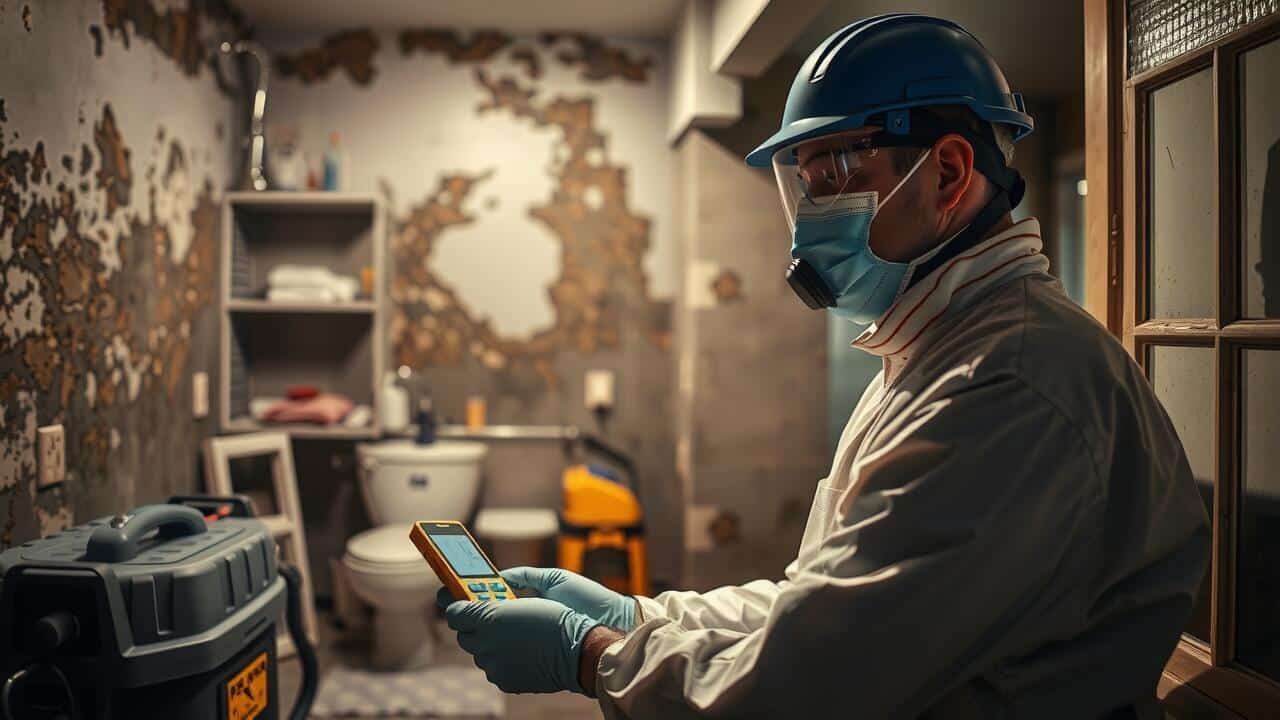
Identifying mold infestations early is crucial for effective mold remediation. Homeowners should keep an eye out for visible signs like black, green, or white patches on surfaces. These patches often indicate the presence of mold, particularly in damp areas such as basements, bathrooms, and around windows. In addition to visible growth, musty odors can also signal hidden mold behind walls or under flooring.
Physical symptoms can also aid in identifying mold problems. People living in affected spaces may experience respiratory issues, skin irritations, or allergic reactions. If occupants notice increased sensitivity or health complaints while at home, a thorough investigation for mold should follow. Prompt action is essential to ensure that any infestations are addressed before they cause significant damage or health risks.
Signs That Indicate a Mold Problem
Mold infestations often reveal themselves through visible growth, which can appear as black, green, or white patches on various surfaces. Areas prone to moisture, such as bathrooms and kitchens, are particularly susceptible to mold. A musty odor in the air can also serve as a significant indicator, suggesting that mold is present even if it’s not immediately visible.
Other signs include allergy-like symptoms that may affect residents, such as coughing, sneezing, or skin irritations. If individuals in the space start experiencing adverse health effects, it may necessitate a thorough inspection and eventual mold remediation. Addressing these signs promptly is crucial to prevent further complications and to safeguard the well-being of occupants.
FAQS
What is the most effective method to kill mold permanently?
The most effective method to kill mold permanently involves a combination of thorough cleaning with specialized mold removal solutions, ensuring complete removal of affected materials, and implementing moisture control strategies to prevent future growth.
Can bleach kill mold permanently?
Bleach can kill mold on non-porous surfaces, but it does not penetrate porous materials like wood or drywall, where mold roots can remain. Therefore, while bleach may provide a temporary solution, it is not a permanent fix for mold problems.
How can I prevent mold from returning after removal?
To prevent mold from returning, control humidity levels, ensure proper ventilation, fix leaks promptly, and regularly inspect areas prone to moisture. Using mold-resistant products during renovations can also help.
Are there natural remedies to kill mold permanently?
Yes, natural remedies such as vinegar, baking soda, and tea tree oil can help kill mold and inhibit its growth. However, they may not be as effective for severe infestations compared to chemical solutions.
How do I know if all the mold has been removed?
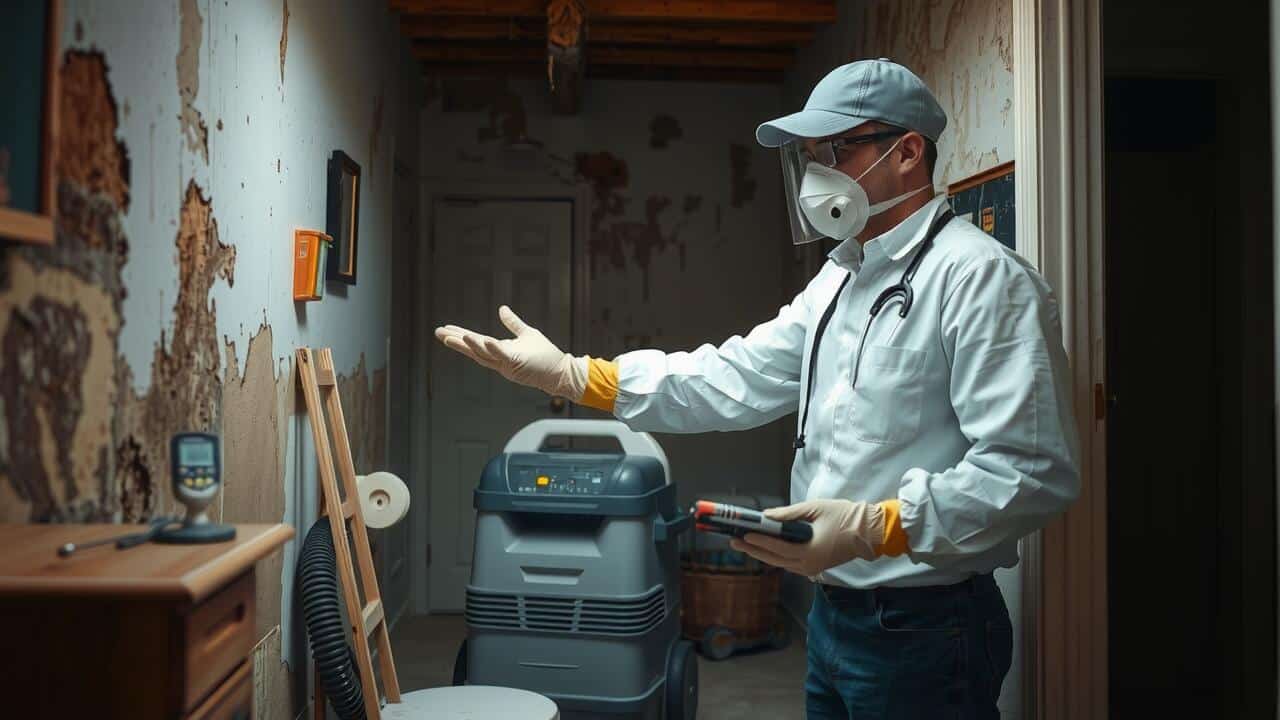
You can determine if all the mold has been removed by conducting a thorough inspection of the area and using moisture meters to check for dampness. Professional mold testing and remediation services can also provide assurance of complete mold elimination.